Laser Eye Surgery in Turkey: LASIK, SMILE Pro and PRK in Istanbul

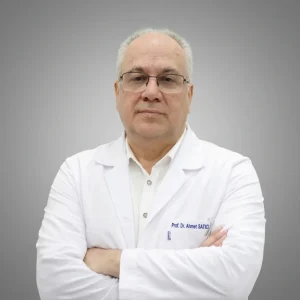
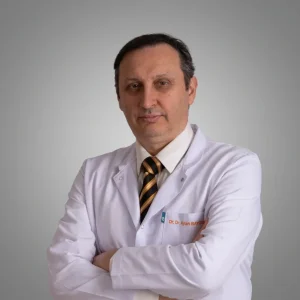
Five laser methods compared, with prices, recovery and risks, performed by Prof. Dr. Ahmet Satıcı or Op. Dr. Aysan Bayram.

  • from {{£ price}}both eyes
  • 3–5 daysin Istanbul
  • 95%+satisfied (RCOphth)
  • Medically reviewed by {{surgeon name}}
  • Last reviewed {{date}}
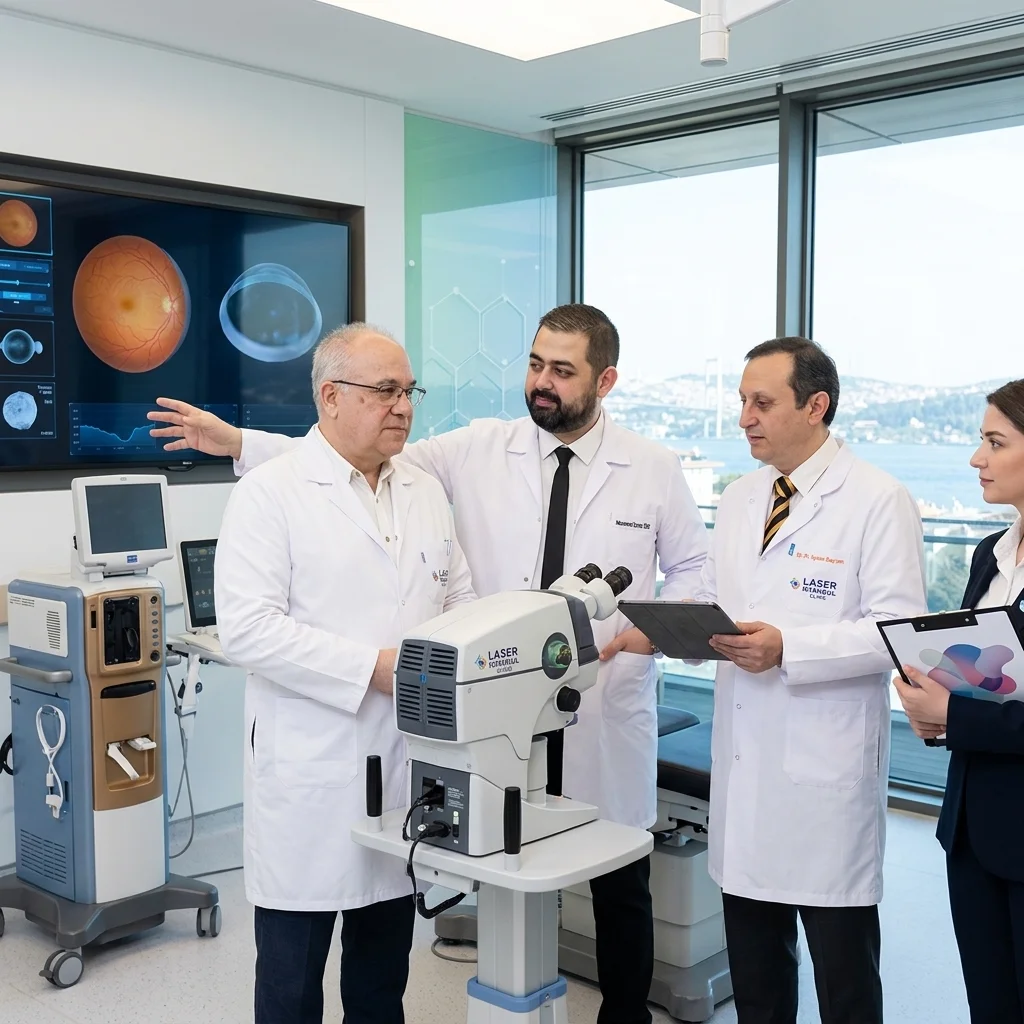
Eye surgeons reviewing scans together in a diagnostic room

Laser eye surgery in Turkey reshapes the clear front window of your eye, the cornea, to correct short-sightedness, long-sightedness and astigmatism, usually in about half an hour for both eyes under numbing drops. At Laser Istanbul Clinic, Prof. Dr. Ahmet Satıcı or Op. Dr. Aysan Bayram examines you in Istanbul, chooses between Femto-LASIK, SMILE Pro, PRK or no-touch Trans-PRK for your eyes, and treats you from {{£ price}} for both eyes, with most patients staying 3–5 days.

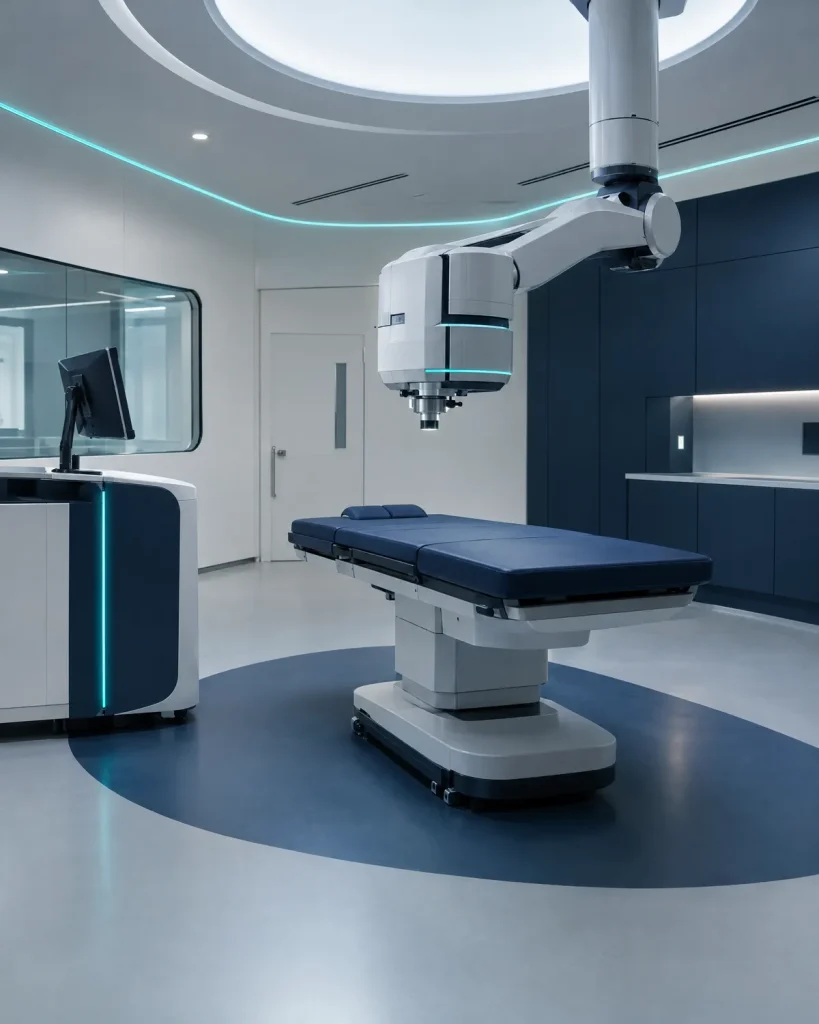
Excimer laser suite for laser eye surgery

What is laser eye surgery?

A precise change to the cornea does the job your glasses do today

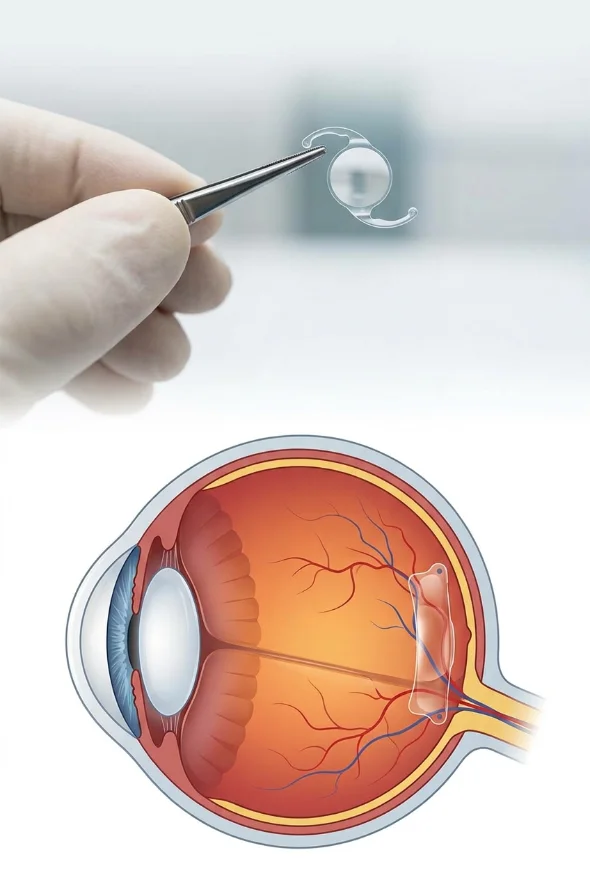
Laser eye surgery, also called laser vision correction or laser corrective eye surgery, uses a highly accurate laser to change the curve of the cornea so that light focuses sharply on the back of the eye. The cornea provides about two-thirds of the eye's focusing power, so a small, precise change there can do the job your glasses or contact lenses do today. The Royal College of Ophthalmologists (RCOphth) groups the treatments into three families: LASIK, lenticule extraction (SMILE) and surface laser (PRK, LASEK and Trans-PRK). The risks and benefits are similar, and all of them normally give very good results in the right patients. The difference lies in how the surgeon reaches the tissue that is reshaped, and that changes how fast you recover and who each method suits.

For most people, vision after laser eye surgery is like vision in contact lenses, without the daily routine, the dry afternoons or the worry about swimming and sport. More than 95% of patients are satisfied with the outcome, according to the RCOphth.

Who laser eye surgery in Turkey suits

Laser eye surgery suits most adults who are tired of glasses or contact lenses and whose eyes are otherwise healthy. Your surgeon decides after measuring your eyes in Istanbul, but you are most likely to be a good candidate if:

You are over 18, and your prescription is stable

The RCOphth defines stable as no change greater than 0.5 dioptres (0.5D) in the last two years. The American Academy of Ophthalmology (AAO) adds that candidates should ideally be over 21.

Your prescription is within the usual laser range

The RCOphth gives this as up to −10.00D of short-sightedness (myopia), up to +4.00D of long-sightedness (hyperopia) and up to ±6.00D of astigmatism. Some people outside these numbers can still be treated; others inside them are better served by a lens.

Your corneas are healthy and thick enough

For the method chosen. This is measured with corneal mapping (topography and tomography) during your examination.

Your expectations are realistic

Laser surgery aims to make you far less dependent on glasses. From your mid-40s, you will usually still need reading glasses for close work unless you choose a blended-vision treatment such as Presbyond.

Not sure where you stand? Our 2-minute Am I suitable for laser eye surgery? quiz gives you a first idea, and our free astigmatism test helps you spot uneven focus before you speak to a surgeon.

Laser eye surgery for your type of prescription

When laser may not be right for you

Health authorities list several situations in which laser surgery is not recommended or needs extra caution. The US Food and Drug Administration (FDA) and the AAO mention:

  • A prescription that changed in the past year, pregnancy or breastfeeding, and hormonal or medication changes that can shift your prescription
  • Keratoconus or other corneal disease, very thin corneas, or severe dry eye
  • Cataract, uncontrolled glaucoma, eye inflammation (uveitis), or a history of herpes infection in or around the eye
  • Diseases or medicines that slow healing, such as lupus, rheumatoid arthritis, uncontrolled diabetes, or some steroid and retinoid medicines
  • For LASIK specifically, contact sports in which blows to the face are normal (boxing, martial arts), where a flap-free method is usually preferred

A "no" to laser is rarely a "no" to clear vision.

If your corneas are too thin or your prescription is very high, an implantable lens may suit you better. If you are over about 45 or have early lens clouding, lens replacement is often the better long-term choice. If your scans show keratoconus, your case goes to our cornea specialist.

One more thing many contact-lens wearers are told wrongly: according to the RCOphth, many are incorrectly diagnosed with dry eye and told they cannot have laser. Eye-surface discomfort from lenses is often treatable, and laser can be a good solution for people who struggle with contact lenses.

Laser types for eye surgery: Femto-LASIK, SMILE Pro, PRK, Trans-PRK and Presbyond

All five treatments below are forms of eye laser correction, and the RCOphth notes that visual results at three months are equally good for all types of laser vision correction. What differs is how the cornea is reached, how quickly you are back to normal, and who each method suits best.

Femto-LASIKSMILE Pro / ReLEx SMILEPRK / LASEKNo-touch Trans-PRKPresbyond (blended vision)
How it worksA femtosecond laser makes a thin flap; an excimer laser reshapes the cornea beneath; the flap is laid backA femtosecond laser shapes a thin disc of tissue (lenticule) inside the cornea, removed through a 2–3 mm opening; no flapThe surface skin layer is removed by the surgeon (LASEK: loosened with dilute alcohol first), then the excimer laser reshapes the surfaceThe excimer laser removes the skin layer and reshapes the cornea in one step; nothing touches the eye except the laserExcimer laser correction in which one eye is set for distance and the other left slightly short-sighted for reading, so both eyes together cover near to far
TreatsShort sight, long sight, astigmatismMainly short sight with or without astigmatismShort sight, long sight, astigmatismShort sight, long sight, astigmatismReading-glasses dependence (presbyopia), often with short or long sight
Visual recoveryFastest; many people return to work the next daySlightly slower than LASIKA week or longer before reaching the driving standard1–2 days quicker than PRK or LASEKAs for the laser method used
DiscomfortGritty for a few hoursGritty for a few hours; comfort may recover slightly faster than LASIKVery sore while the skin layer regrows (about a week)Sore for several days, a little shorter than PRKAs for the laser method used
Contact sportsWait at least one monthSooner than LASIK (no flap)Sooner than LASIK (no flap)Sooner than LASIK (no flap)As for the laser method used
Often chosen byMost prescriptions; people who want the fastest visual recoveryActive people and those who want to avoid a flapThinner corneas; contact sportsAs PRK, for people who prefer a no-touch techniquePeople aged about 40–55 who need reading glasses
Price, both eyesfrom {{£ price}}from {{£ price}}from {{£ price}}from {{£ price}}from {{£ price}}

Recovery and suitability: RCOphth patient information (2024), FDA, EyeWiki. Your surgeon recommends a method only after your examination.

The five methods, one by one

Excimer laser suite for laser eye surgery
Fastest visual recovery

Femto-LASIK

LASIK (laser in situ keratomileusis) is the most common form of laser vision correction. In "blade-free" Femto-LASIK, two lasers are used: a femtosecond laser creates a thin protective flap, which the surgeon lifts so that an excimer laser can reshape the cornea underneath. The flap is then smoothed back and, as the AAO explains, attaches on its own within two to three minutes, without stitches. Because the corneal skin layer stays intact, vision usually clears quickly, and many people are back at work the next day. The trade-off is the flap itself: you must not rub your eyes in the early weeks, and you should avoid contact sports for at least a month. If you are searching for LASIK eye surgery in Turkey or LASIK in Istanbul, this is the treatment you are looking for.

LASIK & Femto-LASIK in Istanbul

Close-up of a blue eye
Keyhole, no flap

SMILE Pro and ReLEx SMILE

SMILE (small incision lenticule extraction) uses a femtosecond laser to shape a thin, lens-shaped disc of tissue inside the cornea. Your surgeon removes it through an opening of about 2–3 mm, so no flap is created and more of the cornea's upper layers and nerves are left untouched. Studies summarised by EyeWiki suggest this may help the eye surface recover and better preserve corneal strength than LASIK, while overall vision results are similar. ReLEx SMILE is the original method on the Zeiss VisuMax 500 laser. SMILE Pro is the newer version on the VisuMax 800, where the laser part takes about 8–10 seconds per eye and automatic centring and eye-rotation correction help the surgeon line up the treatment. Two honest caveats: SMILE is used mainly for short sight and astigmatism, and if a touch-up is ever needed, it is often done with surface laser rather than by repeating SMILE.

ReLEx SMILE in Istanbul · SMILE Pro vs ReLEx SMILE vs Femto-LASIK

SMILE Pro in Istanbul (VisuMax 800)
Corneal topography map
Surface laser

PRK and LASEK

In surface laser treatments, the excimer laser reshapes the very front of the cornea after the thin skin layer (epithelium) has been removed. In PRK the surgeon removes it directly; in LASEK it is first loosened with dilute alcohol. There is no flap and no deep cut, which is why surface laser is often recommended for thinner corneas and for people in contact sports. The price you pay is comfort and time: the skin layer takes about a week to grow back, the eye is usually very sore while it does, and the RCOphth says you may need a week or longer before you reach the driving standard. Vision then continues to sharpen over about three months.

PRK / LASEK in Istanbul
Illustration of an iris on a light background
No-touch

Trans-PRK

Trans-PRK (transepithelial PRK) is a surface treatment in which the laser itself removes the skin layer and reshapes the cornea in one continuous step. No instrument or alcohol touches the cornea, and only the minimum area of skin is removed. According to the RCOphth, this shortens recovery by one to two days compared with PRK and LASEK. Discomfort in the first days is still real, so it is best for people who want a surface treatment, not for those in a hurry to get back to work.

No-touch laser vs LASIK vs SMILE: pros, cons, recovery

No-touch laser (Trans-PRK) in Istanbul
Illustration of an iris on a dark background
Reading glasses, 40+

Presbyond

Standard laser surgery cannot cure presbyopia, the age-related stiffening of the eye's lens that makes reading harder from the mid-40s. Presbyond Laser Blended Vision works around it: the dominant eye is corrected for distance and the other eye is left slightly short-sighted for reading, with the laser profile shaped to extend each eye's depth of focus. With both eyes open, the brain blends the two images. The RCOphth describes this "micro-monovision" approach as partly restoring near vision with relatively little optical compromise. In a 2022 study of 40 eyes of patients aged 41–58, 70% could see 20/20 or better at both distance and near with both eyes one year after treatment, and no eye lost more than one line of best-corrected vision. Not everyone adapts equally well to blended vision, so your surgeon checks carefully whether it suits you. Above about 50, or if your natural lens is starting to cloud, lens replacement may be the better option.

Laser for reading glasses (Presbyond, 40+)

How much is laser eye surgery in Turkey?

Laser eye surgery in Istanbul starts from {{£ price}} for both eyes

Your surgeon confirms your exact price in writing after your free assessment and before you book flights.

Get my written quote

Your price includes

  • full pre-operative examination and scans with your surgeon;
  • laser treatment of both eyes by your named surgeon, using the method agreed in your quote;
  • medication and eye drops for your recovery;
  • follow-up checks in Istanbul with the same surgeon;
  • a personal interpreter for every appointment, a dedicated coordinator, and remote follow-up after you return home.

Not included: flights, hotel and airport transfers. Hotel and transfers are a separate charge, and we are happy to arrange them for you if you ask.

Typical published prices for both eyes (2025–26)

MethodUK privateGermany privateUSAIstanbul (typical published)Laser Istanbul Clinic
Femto-LASIK£3,000–5,600€2,400–4,600$4,000–6,000$1,450–2,700from {{£ price}}
SMILE / SMILE Pro£4,400–7,600€2,800–5,200$5,000–8,000$2,000–3,450from {{£ price}}
PRK / LASEK / Trans-PRKnot in our price datanot in our price datanot in our price datanot in our price datafrom {{£ price}}
Presbyondnot in our price datanot in our price datanot in our price datanot in our price datafrom {{£ price}}

UK, German, US and Istanbul figures are typical ranges published by clinics and price-comparison sites in 2025–26, not quotes. Some published Istanbul prices bundle a hotel and transfers; ours cover your medical treatment, with hotel and transfers charged separately if you want them.

£1,100–2,700both eyes in Istanbul

Across all methods

Laser eye surgery in Istanbul typically costs about £1,100–2,700 for both eyes, compared with roughly £3,000–7,600 for laser eye surgery in the UK.

Not on the NHS

Self-pay at home too

In the UK, laser surgery to correct the need for glasses is not available on the NHS and is not covered by private health insurance, according to the RCOphth, so most British patients pay the full private price at home.

What to ask any clinic, at home or abroad

The RCOphth advises that a clinic should be clear from the outset about the total cost, and notes that UK clinics normally include follow-up visits and any fine-tuning laser treatment for up to two years. Ask about this before you book anywhere. Our policy: {{enhancement / re-treatment policy and the period it covers}}.

Your laser eye surgeons in Istanbul

Laser eye surgery with us is led by two experienced ophthalmologists. You know which of them will treat you before you book, and the same surgeon examines you, operates on you and checks your recovery.

Your laser eye surgery trip to Istanbul, step by step

Most patients plan 3–5 days in Istanbul for Femto-LASIK or SMILE Pro. Surface treatments (PRK, LASEK, Trans-PRK) usually need a longer stay, because the bandage contact lens placed after surgery normally comes out between day 4 and day 7. Your surgeon tells you how many nights to book.

  1. Send your details (free)

    Upload your current glasses or contact-lens prescription and any recent eye reports through our free consultation form or on WhatsApp. You get a reply within {{response time}}.

  2. A surgeon reviews your case

    Prof. Dr. Satıcı or Op. Dr. Bayram tells you which laser methods may suit you, or whether a lens or another treatment would be better, and sends a written quote.

  3. Prepare at home

    Contact lenses change the shape of the cornea, so you leave them out before your examination. FDA guidance is 2 weeks for soft lenses, at least 3 weeks for rigid gas-permeable lenses and at least 4 weeks for hard lenses; your surgeon confirms the exact period for you. Book your flights; if you like, we arrange your hotel and airport transfer at an extra cost.

  4. Arrival day

    Check in to your hotel and meet your coordinator by phone or in person.

  5. Full eye examination

    With your surgeon and interpreter, you have a full set of scans: corneal mapping and thickness, prescription and pupil measurements, tear-film assessment and a dilated check of the retina. Highly short-sighted eyes are more prone to retinal detachment, so this check matters. Your surgeon then explains the recommended method, the expected result and the risks for your eyes, and you have time to ask questions before you sign the consent form.

  6. Treatment day

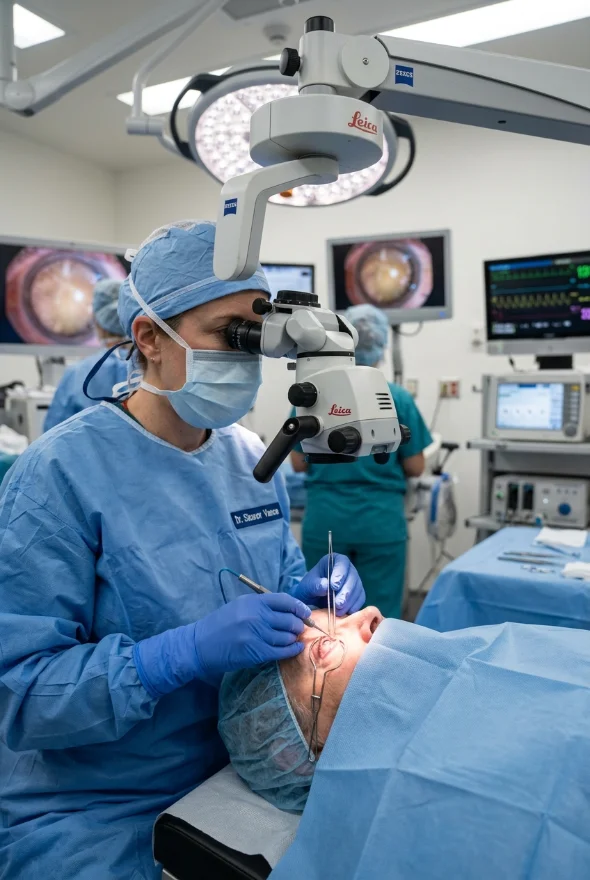
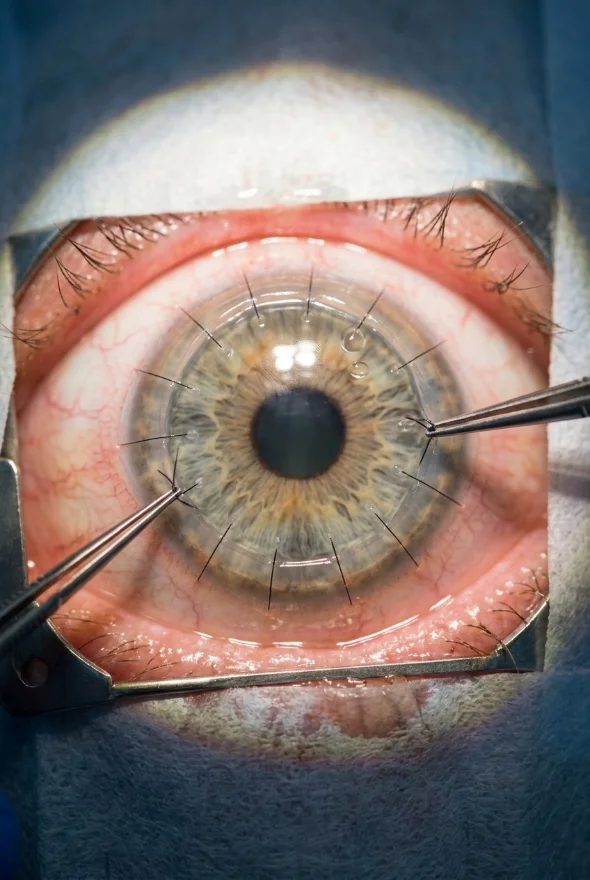
    Surgery takes place in a fully equipped, Ministry of Health–licensed operating theatre in Istanbul. You lie down, numbing drops are put in, and a small clip keeps your eyelids open so blinking is not a problem. You look at a target light while the laser works, and the laser itself takes only seconds per eye. Both eyes are usually treated in the same session, and the whole procedure takes about half an hour. You go back to your hotel the same day but must not drive.

  7. Check-up the next day

    Your surgeon examines your eyes within 24–48 hours, as the FDA recommends, and again before you fly.

  8. Fly home and stay in touch

    Most patients fly 1–3 days after Femto-LASIK or SMILE, once their surgeon has checked the eyes. Back home, your coordinator stays in touch and your surgeon reviews your progress by video at agreed intervals. Your full surgical report is provided in English, so your optometrist at home can see exactly what was done.

Laser eye surgery recovery: what to expect

Recovery is quickest after Femto-LASIK, a little slower after SMILE, and slowest after surface laser. By three months, results are equally good for all of them.

WhenFemto-LASIKSMILE Pro / ReLEx SMILEPRK, LASEK, Trans-PRK
First hoursGritty, watery, light-sensitive; rest with eyes closed and use lubricating drops oftenSimilar to LASIK, often a little more comfortableEye becomes sore as the numbing wears off; a bandage contact lens protects the surface
Day 1–2Vision usually clear enough for most daily tasks; first check-upVision usually good but may be slightly hazier than after LASIKSore and blurred; painkillers and drops as prescribed
Day 3–7Many people already back at workBack to most normal activitiesSkin layer regrows over about a week; bandage lens removed, typically day 4–7
Week 1–4Avoid eye rubbing; no swimming for at least the first weekAs LASIK; no flap to protectVision improving; you may reach the driving standard after a week or longer
1–3 monthsGlare, halos and dryness fade; contact sports from one monthAs LASIKVision continues to sharpen, with full visual recovery over about three months
3–6 monthsVision stabilisesVision stabilisesVision stabilises

Everyday activities after laser eye surgery

Your surgeon gives you personal dates.

Washing and showering

From day one after LASIK or SMILE; after surface laser, once the bandage lens is out.

Gym and jogging

From day one (RCOphth).

Eye make-up, creams and lotions

Avoid for up to two weeks (FDA).

Swimming

Not for at least a week (RCOphth); the FDA advises avoiding swimming pools and hot tubs for 1–2 months, so follow your surgeon's advice.

Contact sports

At least one month after LASIK; often sooner after SMILE or surface laser.

Red marks on the white of the eye

Common, especially after LASIK; harmless and can take up to 6 weeks to clear.

Full stability of the result

Most changes after three months are very small, but it can take up to two years to stabilise fully (RCOphth).

Call without delay

If you have increasing pain, light sensitivity, redness or blurred vision, or if you injure your eye.

Is laser eye surgery safe? The risks, explained honestly

Laser eye surgery has more than ten years of published follow-up data, and for suitable patients serious problems are rare. But it is still surgery on a healthy eye, so you deserve the real numbers before you decide. Your surgeon goes through the risks for your own eyes, in writing and through your interpreter, before you agree to treatment.

Side effects most people notice for a while

Glare, halos and starbursts, especially from car headlights at night. According to the RCOphth, these are usually mild with modern lasers and improve within a few months; lasting problems are unusual but can happen. They are more likely with higher prescriptions.

Dry, gritty eyes and fluctuating vision, caused by a less stable tear film while the cornea heals. Comfort usually returns to normal within a few months, and lubricating drops help. The FDA warns that in some people dry eye can be permanent, which is why your tear film is tested before surgery.

Red blotches on the white of the eye, harmless and gone within about six weeks.

Less common problems

Under- or over-correction, or regression, meaning you still need glasses for some tasks. Up to 1 in 10 patients need some form of additional laser treatment to get the best result (RCOphth).

Flap problems after LASIK, such as the flap shifting after a knock or rubbing the eye, which may need further treatment. SMILE and surface laser have no flap.

Infection or abnormal healing, treated with drops and close follow-up.

Rare but serious

Permanent loss of vision is rare. The most serious complications are scarring after infection and corneal ectasia, a weakening and bulging of the cornea. Fewer than 1 in 5,000 patients need a corneal transplant after laser surgery, and good vision can normally be restored when this is needed (RCOphth). Careful screening of corneal shape and thickness before surgery is the best protection, which is why your surgeon may advise against laser or recommend a different method after your scans.

In context

Putting the numbers in context: for most people the real alternative to laser is contact lenses. The RCOphth notes that about 1 in 3,000 contact-lens wearers each year develops a serious corneal infection.

For your future eye care: laser eye surgery does not stop you having normal treatment for later eye problems, but it can make eye-pressure readings for glaucoma read low and affects lens calculations for future cataract surgery. Keep your pre-surgery prescription and your surgical report, and tell any future eye doctor that you have had laser. Glaucoma treatment & surgery in Turkey · Cataract surgery in Turkey / Istanbul

Having surgery abroad: check who your surgeon is, their training and publications, where the surgery takes place, and how you will be followed up at home. We give you all of this in writing before you pay a deposit. Our policy if a problem needs treatment after you return home: {{complication and re-treatment policy}}.

What our laser patients say

Patient reviews & video stories

{{3–6 real laser patient reviews with first name, country, treatment (e.g. SMILE Pro), surgeon and date, with written consent, or embedded Google/Trustpilot widgets filtered to laser patients}}

{{Optional: 1–2 consented patient video stories}}

{{Optional: 1–2 consented patient video stories}}

Laser eye surgery in Turkey: frequently asked questions

Laser eye surgery in Istanbul typically costs about £1,100–2,700 for both eyes, depending on the method, compared with roughly £3,000–7,600 in UK private clinics. With Laser Istanbul Clinic, treatment starts from {{£ price}} for both eyes, including your examination, surgery, medication, check-ups, interpreter and remote follow-up. Flights, hotel and transfers are extra. Your surgeon confirms the price in writing after your free assessment.

Yes, for suitable patients laser eye surgery has a strong safety record, and more than 95% of patients are satisfied with the result (RCOphth). Temporary dryness, glare and halos are common in the first months. Serious loss of vision is rare: fewer than 1 in 5,000 patients need a corneal transplant afterwards. The most important safety step is a thorough examination that rules out unsuitable eyes.

The change the laser makes to your cornea is permanent, but your eyes can still change naturally over time, so laser sometimes needs to be repeated (RCOphth). In a 10-year study of LASIK published in the American Journal of Ophthalmology, problems did not build up over time, and any regression was greater in people with very high prescriptions. From the mid-40s, almost everyone needs reading glasses because of the ageing lens, whether or not they have had laser.

Neither is better for everyone; overall vision results are similar. Femto-LASIK gives the fastest visual recovery and treats short sight, long sight and astigmatism. SMILE Pro avoids a flap and uses a smaller opening, which may suit active people and some dry-eye-prone eyes, but it mainly treats short sight and astigmatism. Your surgeon recommends one after measuring your corneas.

No, the treatment itself does not hurt, because numbing drops are used; you feel pressure for a few seconds. Afterwards, LASIK and SMILE eyes feel gritty or watery for a few hours. Surface treatments (PRK, LASEK, Trans-PRK) are more uncomfortable for several days while the skin layer heals, and your surgeon gives you drops and pain relief.

Plan for 3–5 days for Femto-LASIK or SMILE Pro, including your examination, surgery and check-ups. Surface laser usually needs a longer stay, because the bandage contact lens normally comes out between day 4 and day 7. Your surgeon confirms the number of nights after reviewing your case.

Yes. Most patients fly home 1–3 days after Femto-LASIK or SMILE, once their surgeon has checked their eyes. After surface laser, your surgeon plans your flight around the healing of the skin layer.

Yes. It is usual to treat both eyes in the same session, and the whole procedure takes about half an hour (RCOphth). Your surgeon may advise a different plan if your eyes need different treatments.

Often, yes. There is no strict upper age limit, but age changes the best choice. From your mid-40s, Presbyond blended vision can reduce your need for reading glasses. If your natural lens is starting to cloud, or you are in your 50s or older, lens replacement often gives a better, longer-lasting result because it also prevents cataract later.

You may still have good options. ICL implantable lenses suit many people with very high prescriptions or thin corneas, lens replacement suits many people over 45, and keratoconus can often be stabilised with corneal cross-linking. Your surgeon tells you honestly what fits your eyes, even after you have travelled for the examination.

No. Laser surgery to reduce your need for glasses is not available on the NHS and is not covered by private health insurance, according to the RCOphth. The NHS may offer laser treatment only for eye conditions that threaten vision. This is one reason many UK patients look at laser and LASIK eye surgery abroad.

Most people do not need glasses for distance after successful laser surgery, but some do. Up to 1 in 10 patients need an additional treatment to fine-tune the result. Reading glasses are usually needed from the mid-40s onwards unless you have blended-vision treatment.

If laser isn't right for you

Find out which laser treatment suits your eyes, free

Send us your glasses or contact-lens prescription and any recent eye report. Prof. Dr. Ahmet Satıcı or Op. Dr. Aysan Bayram will tell you which laser methods may suit you, or whether another treatment would be better, and what it would cost, with no obligation.

3 eye surgeons

Your case is reviewed by a named surgeon, not a salesperson. Reply within {{response time}}.

  • Prof. Dr. Ahmet SatıcıProf. Dr. Ahmet Satıcı
  • Doç. Dr. Muhammet Derda ÖzerDoç. Dr. Muhammet Derda Özer
  • Op. Dr. Aysan BayramOp. Dr. Aysan Bayram