
- Home: eye surgery in Istanbul
- Knowledge centre
- Eyelid & cosmetic guides
How to Tighten Eyelids at Home: What Works, What Doesn't and When Surgery Helps
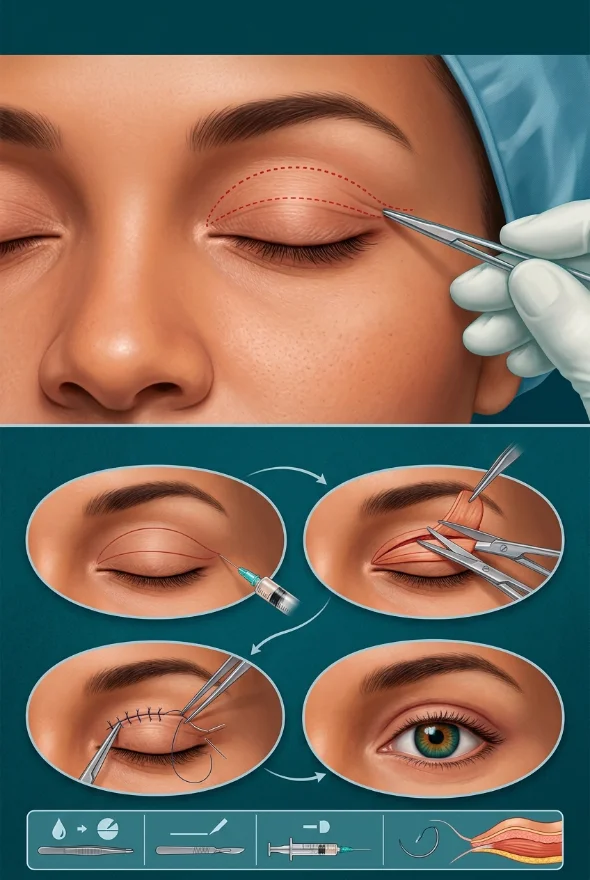
You cannot permanently tighten loose or drooping eyelids at home. Cold compresses, sleep and less salt can ease puffiness, but excess upper-eyelid skin (dermatochalasis) and a weak lid muscle (ptosis) are treated by an eye surgeon, and some adults with ptosis can use prescription drops. At Laser Istanbul Clinic, eyelid surgery is led by Prof. Dr. Ahmet Satıcı.
Search for how to tighten eyelids at home and you will find creams, tapes, massage and "eyelid exercises". This hub gives you the honest version. It explains which home steps genuinely help, why eyelids droop in the first place, how to tell the main types apart, and when a drooping lid needs a doctor quickly rather than a mirror and a cream.
Most people mean one of three different problems. The first is loose, hooded skin that folds over the lid. The second is a lid edge that sits too low because the lifting muscle has weakened. The third is puffiness or bags caused by fat and fluid. Each has a different fix, which is why the guides below are split by question rather than by operation.
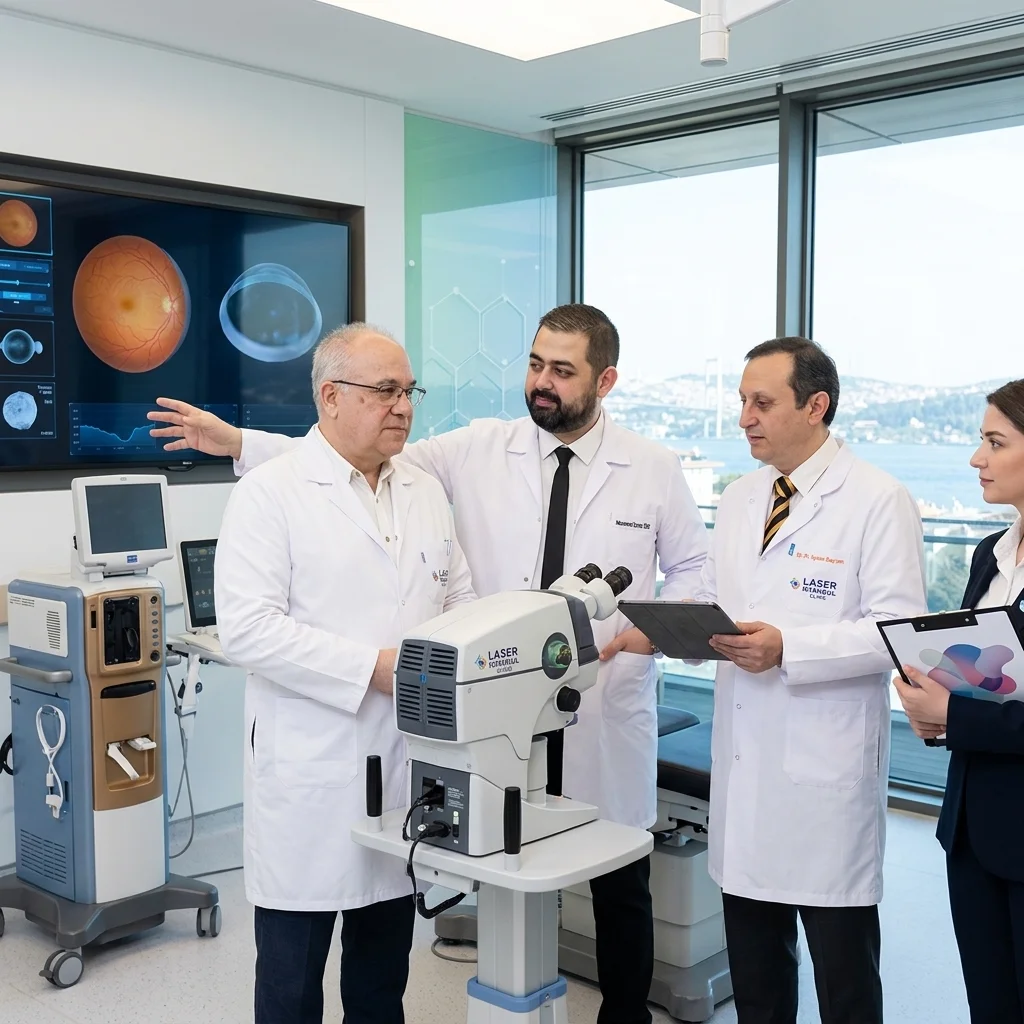
Eyelid surgery at Laser Istanbul Clinic is led by Prof. Dr. Ahmet Satıcı, an ophthalmologist who treats eyelid and oculoplastic problems alongside cataract, lens and laser surgery. That matters if you are also thinking about your lenses: an eye surgeon can assess the eye and the eyelid together, and the two can often be planned for the same trip. Start with the sections on this page, then open the guide that matches your situation.
What can you do at home to tighten eyelids?
Home care can improve how the skin around your eyes looks and feels, but it cannot remove excess skin or lift a weak lid muscle. EyeWiki, the American Academy of Ophthalmology's clinical wiki, describes loose eyelid skin as a result of ageing: connective tissue weakens, skin loses elasticity and gravity produces the hooded look. The treatment it describes for the skin itself is upper-eyelid surgery (blepharoplasty), which it calls one of the most frequently performed procedures by oculoplastic surgeons.
| Home step | What it can realistically do | What it cannot do |
|---|---|---|
| Cool compress (clean damp cloth, a few minutes) | Eases puffiness around the eyes | Remove loose skin or lift a drooping lid |
| Sleeping with your head slightly raised, enough sleep, less salt, not smoking | Reduces the fluid and habits that worsen eye bags | Remove fat bags that have moved forward with age |
| Moisturiser and daily sun protection | Keeps thin eyelid skin comfortable and protects it from further sun damage | Reverse hooding that has already formed |
| Eyelid exercises, massage, tapes | Nothing we could confirm from an authoritative source | Treat dermatochalasis or ptosis |
On exercises, creams and tapes: none of the NHS, American Academy of Ophthalmology or EyeWiki pages we checked recommends them as a treatment for excess eyelid skin or a drooping lid. The treatments those sources describe are surgery and, for some adults with ptosis, prescription eye drops. If a product promises a "non-surgical eyelid lift", ask what evidence it is based on and whether the person selling it is an eye specialist.
Why do eyelids droop or look loose?
Eyelids droop or look loose for three different reasons, and the right treatment depends on which one you have.
| Problem | What is happening | Usual treatment |
|---|---|---|
| Dermatochalasis (hooded eyelids) | Loose, redundant eyelid skin, common in middle-aged and older people as a sign of ageing. It can also be worsened by thyroid eye disease, connective tissue disorders, trauma or earlier surgery. | Upper-eyelid blepharoplasty |
| Ptosis (blepharoptosis) | The upper lid edge sits abnormally low. A normal upper lid covers only about 1–2 mm of the top of the cornea. The most common adult cause is age-related stretching of the lifting muscle (levator); others are muscle disease, nerve problems, injury or a mass in the lid. | Surgery to tighten the lifting muscle; prescription drops for some adults |
| Eye bags (puffy lower lids) | Fat that supports the eye moves into the lower eyelid, and fluid can collect under the eye. Genetics, salt, allergies and poor sleep contribute. | Home measures for mild puffiness; lower-lid surgery for persistent bags |
Skin hooding and ptosis can exist together, and so can a low brow. EyeWiki points out that brow ptosis is a separate problem that can coexist with excess eyelid skin, which is one reason a surgeon examines the brow before planning surgery. Loose skin that hangs over the lashes can also reduce your side vision, so treatment is sometimes a functional matter as well as a cosmetic one.
Drooping eyelid photos: how do you tell the types apart?
Looking at drooping eyelid photos helps, but compare yourself with photos of the same type: a lid edge that sits low over the pupil is ptosis, while a fold of skin hanging over a normal lid edge is hooding.
Use this quick check in front of a mirror in good light, looking straight ahead:
Look at the lid edge
If the edge of the upper lid cuts across the pupil, or sits clearly lower than the edge of the other eye, that points to ptosis.
Look at the fold
If the lid edge looks normal but a fold of skin hangs over the lashes, that points to hooded eyelids (dermatochalasis).
Compare both eyes
Ptosis often affects one eye more than the other; an uneven look is a reason to have it examined.
Gently lift your brow with a finger
If the lid opens and your view improves, a low brow may be part of the picture.
Check old photos
Compare with pictures from a few years ago. A change over years suggests ageing; a change over days or weeks needs a medical check.
This is a screening aid, not a diagnosis. An eye surgeon measures the lid position, the muscle function and, if vision is affected, your visual field.
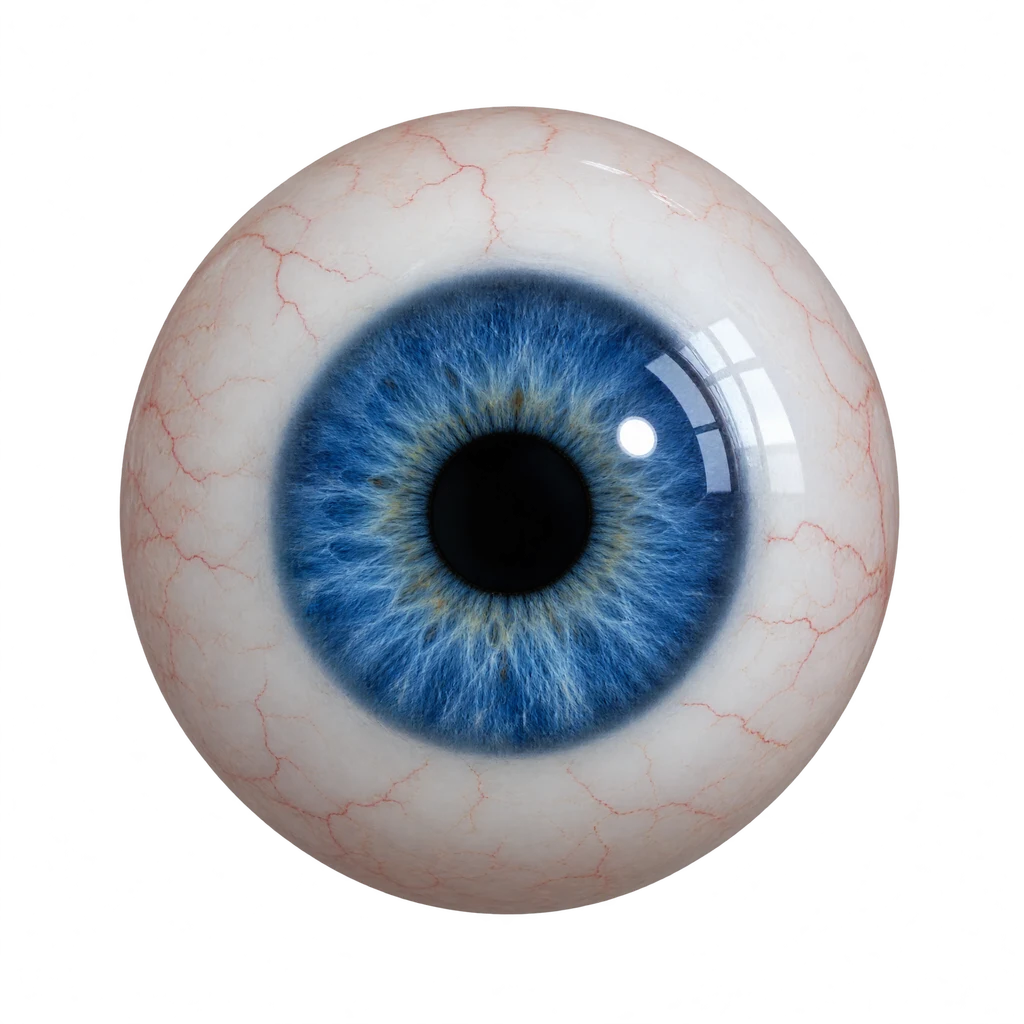
Left eye drooping: could it be a stroke?
A drooping eyelid that appears suddenly, or comes with other symptoms, can be a medical emergency and should not wait for a cosmetic consultation. Most drooping lids develop slowly with age, but acquired ptosis can also be caused by problems of the nerves or muscles, such as a third nerve palsy, Horner's syndrome or myasthenia gravis, according to EyeWiki.
The NHS describes the main stroke signs with the word FAST: face drooping on one side, arm weakness, speech problems, and time to call 999. A drooping eyelid on its own is not the same as the face drooping of a stroke, but if a lid has dropped suddenly in one eye, especially with a drooping face, weakness, speech trouble, double vision or a severe headache, treat it as urgent:
- In the UK, call 999. The NHS advises calling 999 even if symptoms have stopped, and not driving yourself to A&E. Elsewhere, call your local emergency number.
- If the droop came on over days with no other symptoms, see an ophthalmologist or your doctor promptly. The American Academy of Ophthalmology advises adults with a drooping eyelid to be examined by an ophthalmologist, with imaging tests when needed to find the cause.
- Do not book surgery abroad until the cause is known. A one-sided drooping eyelid that is new, or has changed, needs a diagnosis first; cosmetic or ptosis surgery is for stable, understood lids.
Which treatments actually lift eyelids?
Three options exist, and which one suits you depends on the cause.
Prescription drops (ptosis only). In July 2020 the US FDA approved oxymetazoline 0.1% eye drops for acquired ptosis in adults. EyeWiki notes that the effect lasts roughly 6 to 10 hours, so it is a temporary lift, not a cure.
Upper-eyelid surgery (blepharoplasty). For hooded lids the surgeon removes excess skin, and sometimes fat, through a cut hidden in the natural lid crease. The NHS describes eyelid surgery as removing excess skin or fat from the eyelids, done under local or general anaesthetic depending on the case.
Ptosis surgery. EyeWiki lists three main approaches: Müller muscle–conjunctival resection for mild ptosis, levator advancement or resection when the muscle works reasonably well, and frontalis suspension when the lifting muscle has little or no function. The American Academy of Ophthalmology says ptosis repair is typically an outpatient operation under local anaesthesia.
A heavy lid can be one problem or several, so your surgeon plans the operation after examining your lids, brow and eye. Hospital leaflets from the NHS list dry eye and a weak or incomplete blink among the possible effects of blepharoplasty, which is why blinking, lid closure and tear film are checked before surgery.
What to expect from eyelid surgery
Recovery from eyelid surgery takes weeks, not days, and every operation carries risks that your surgeon should explain before you decide.
According to the NHS, most people need about two weeks off work, bruising and redness last for several weeks, scarring can feel tight for months, and driving is restricted for several days afterwards. Common temporary effects are puffy, watery eyelids. Serious but rare complications include vision problems, injury to an eye muscle, and the lower eyelid drooping away from the eye and turning outwards. The NHS also advises seeing your GP first to rule out medical conditions that could affect the outcome.
Cost. The NHS does not usually fund cosmetic eyelid surgery and gives a UK private cost range of £2,000 to £6,000. In Istanbul your price is confirmed in writing after your surgeon reviews your photographs: from {{price}} for eyelid surgery. It includes your pre-operation examination and scans, surgery by your named surgeon, medication, follow-up checks in Istanbul, a personal interpreter and a coordinator with remote follow-up. Hotel and airport transfers are not included; they are arranged on request and charged separately, and flights are not included.
Surgery takes place in a fully equipped, Ministry of Health–licensed operating theatre in Istanbul. If you are also considering cataract or lens surgery, the two can often be planned in one visit; the guide below explains how.
Eyelid & cosmetic guides
Hooded eyelids: surgery or non-surgical options?
Hooded eyelids are loose skin, not a weak muscle, and that decides what can help. This guide compares upper blepharoplasty with non-surgical options, and explains when hooding gets in the way of your vision.
Read this if: skin folds over your lashes or makeup keeps smudging.
Hooded eyelids: surgery or non-surgical options?Blepharoplasty recovery week by week
What the first days, the first fortnight and the following months look like after eyelid surgery: bruising, swelling, driving, work and travel home.
Read this if: you are planning time off, or you want to know what is normal.
Blepharoplasty recovery week by weekFox eye and almond eye surgery: what is real and what is risky
Social media has made "fox eye" and "almond eye" looks popular. This guide separates what is real from what is risky, so you know what to ask before you consider any procedure.
Read this if: you have seen these looks online and want the facts first.
Fox eye and almond eye surgery: what is real and what is riskyLens surgery and eyelid lift in one trip
How cataract or lens replacement and eyelid surgery can be planned together with one surgeon, and what that means for recovery and travel.
Read this if: you are over about 45 and weighing both operations.
Lens surgery and eyelid lift in one tripDark circles and puffy under-eyes: causes and treatment
Why the skin under the eyes looks dark or puffy, which home steps help, and when a surgeon can help.
Read this if: you look tired even when you have slept.
Dark circles and puffy under-eyes: causes and treatmentWhich guide should you read first?
| If you… | Start with |
|---|---|
| have skin hanging over your lashes | Hooded eyelids: surgery or non-surgical options? |
| have decided to have surgery and want to plan time off | Blepharoplasty recovery week by week |
| are drawn to a lifted, fox-like or almond shape | Fox eye and almond eye surgery |
| need cataract or lens surgery as well | Lens surgery and eyelid lift in one trip |
| mainly notice bags or dark shadows under the eyes | Dark circles and puffy under-eyes |
More eye health guides
Eyelid problems are often part of a wider eye-health picture. These sister hubs cover the rest:
- Laser eye surgery guides: LASIK, SMILE Pro and PRK explained
- Lens & cataract guides: cataract surgery and premium lenses
- Keratoconus & cornea guides: cross-linking and corneal conditions
- Retina & glaucoma guides: retinal disease and eye pressure
- Comparisons: side-by-side treatment comparisons
- Eye glossary A–Z: plain-language definitions of eye and eyelid terms
Questions about tightening and lifting eyelids
You can reduce puffiness at home with a cool compress, enough sleep, less salt and sleeping with your head raised, and you can protect eyelid skin with moisturiser and sun protection. You cannot tighten loose skin or lift a weak lid muscle at home. Those need an eye specialist, and surgery is the treatment EyeWiki and the NHS describe.
We found no NHS, American Academy of Ophthalmology or EyeWiki page that recommends eyelid exercises as a treatment for loose eyelid skin or ptosis. Gentle exercises are unlikely to cause harm, but do not expect them to lift a heavy lid, and do not delay an examination while you try them.
Sometimes partly, and only for ptosis. Prescription oxymetazoline 0.1% drops were FDA-approved in July 2020 for acquired ptosis in adults, and EyeWiki says the effect lasts about 6 to 10 hours. Hooded eyelids caused by excess skin are treated surgically. Ask an eye surgeon which problem you have before choosing a treatment.
With ptosis the edge of the upper lid sits low and may cover part of the pupil, so the eye looks smaller or tired. With hooded eyelids the lid edge is normal but a fold of skin hangs over the lashes. See the photo block and mirror check above, and have any new or one-sided droop examined.
It can be, but most drooping lids are slow, age-related changes. A lid that drops suddenly, or comes with face drooping, arm weakness, speech difficulty, double vision or severe headache, is an emergency. In the UK the NHS advises calling 999 straight away, even if the symptoms pass.
Ageing is the most common reason: the lifting muscle stretches over the years. Other causes include nerve problems, muscle conditions such as myasthenia gravis, injury or a mass in the lid. The side does not tell you the cause. A one-sided droop that is new or changing should be examined, and a sudden one treated as urgent.
The NHS says most people take about two weeks off work, bruising and redness last several weeks, and scars can feel tight for months. Driving is restricted for several days. The week-by-week guide above explains each stage.
Your price is confirmed in writing after your surgeon reviews your photographs and details: from {{price}}, including examination, surgery by your named surgeon, medication, follow-up in Istanbul, an interpreter and a coordinator. Hotel and airport transfers are extra, on request. For comparison, the NHS gives a private UK range of £2,000 to £6,000.
Sources for the facts on this page
- EyeWiki (American Academy of Ophthalmology), "Dermatochalasis": loose, redundant eyelid skin from periocular ageing; worsened by thyroid eye disease, connective tissue disorders, trauma, earlier surgery; brow ptosis can coexist; upper blepharoplasty is one of the most frequently performed oculoplastic procedures; visual field obstruction. https://eyewiki.org/Dermatochalasis
- EyeWiki, "Blepharoptosis": normal upper lid covers 1–2 mm of the cornea; causes (aponeurotic/age-related, myogenic incl. myasthenia gravis, neurogenic incl. third nerve palsy and Horner's, traumatic, mechanical); oxymetazoline 0.1% FDA-approved July 2020, effect 6–10 hours; three surgical approaches. https://eyewiki.org/Blepharoptosis
- American Academy of Ophthalmology, "What Is Ptosis?": causes in adults; oxymetazoline prescription drops for some acquired ptosis; surgical repair typically outpatient under local anaesthesia; adults with drooping lids should see an ophthalmologist for evaluation and imaging. https://www.aao.org/eye-health/diseases/what-is-ptosis
- NHS, "Eyelid surgery": blepharoplasty removes excess skin or fat; local or general anaesthetic; about two weeks off work; bruising and redness for several weeks; tight scarring for months; driving restricted for several days; risks incl. vision problems, eye muscle injury, lower lid turning outwards; NHS does not typically fund cosmetic surgery; private UK cost £2,000–£6,000; see GP first. https://www.nhs.uk/conditions/cosmetic-procedures/cosmetic-surgery/eyelid-surgery/
- Cambridge University Hospitals NHS Foundation Trust, "Blepharoplasty" patient information: blepharoplasty risks include dry eye needing artificial tears and weak or limited blink or lid closure (appeared in search results; content taken from the search summary, not opened in full; re-check). https://www.cuh.nhs.uk/patient-information/blepharoplasty/
- NHS, "Stroke: Symptoms": FAST (face, arms, speech, time to call 999); call 999 even if symptoms have stopped; do not drive yourself to A&E. https://www.nhs.uk/conditions/stroke/symptoms/
- NHS Specialist Pharmacy Service / Medicines Resources, "US FDA approves oxymetazoline ophthalmic solution (Upneeq) for acquired blepharoptosis": first approved medical treatment for acquired ptosis in the US, based on two phase III studies. https://www.medicinesresources.nhs.uk/us-fda-approves-oxymetazoline-ophthalmic-solution-upneeq-tm-for-the-treatment-of-acquired-blepharoptosis.html
- Mayo Clinic, "Bags under eyes": causes (ageing, fat moving into lower lids, fluid, genetics, salt, allergies, sleep) and home measures (cool compress, less salt, raised head, sleep, not smoking). The page returned 403 to the fetch tool; content taken from the search-result summary. https://www.mayoclinic.org/diseases-conditions/bags-under-eyes
Not sure what is causing your droopy or heavy eyelids? Ask a surgeon, free
Send clear photos of your face, front and side, with your eyes open and looking straight ahead. Prof. Dr. Satıcı will tell you whether you have hooded skin, ptosis or eye bags, what could help, and what it would cost, in writing, with no obligation. If a lid has dropped suddenly, get urgent medical care where you are first.
3 eye surgeons
Your case is reviewed by a named surgeon, not a salesperson. Reply within {{response time}}.
 Prof. Dr. Ahmet Satıcı
 Doç. Dr. Muhammet Derda Özer
 Op. Dr. Aysan Bayram