Eye Treatments in Turkey: Every Type of Eye Surgery We Offer in Istanbul

Laser, lens, cornea, retina and glaucoma, eyelid, squint and diagnostic tests, each led by one of three named surgeons.

  • 15treatment pages
  • 7groups
  • 3named surgeons
  • Medically reviewed by {{surgeon}}
  • Last updated {{date}}
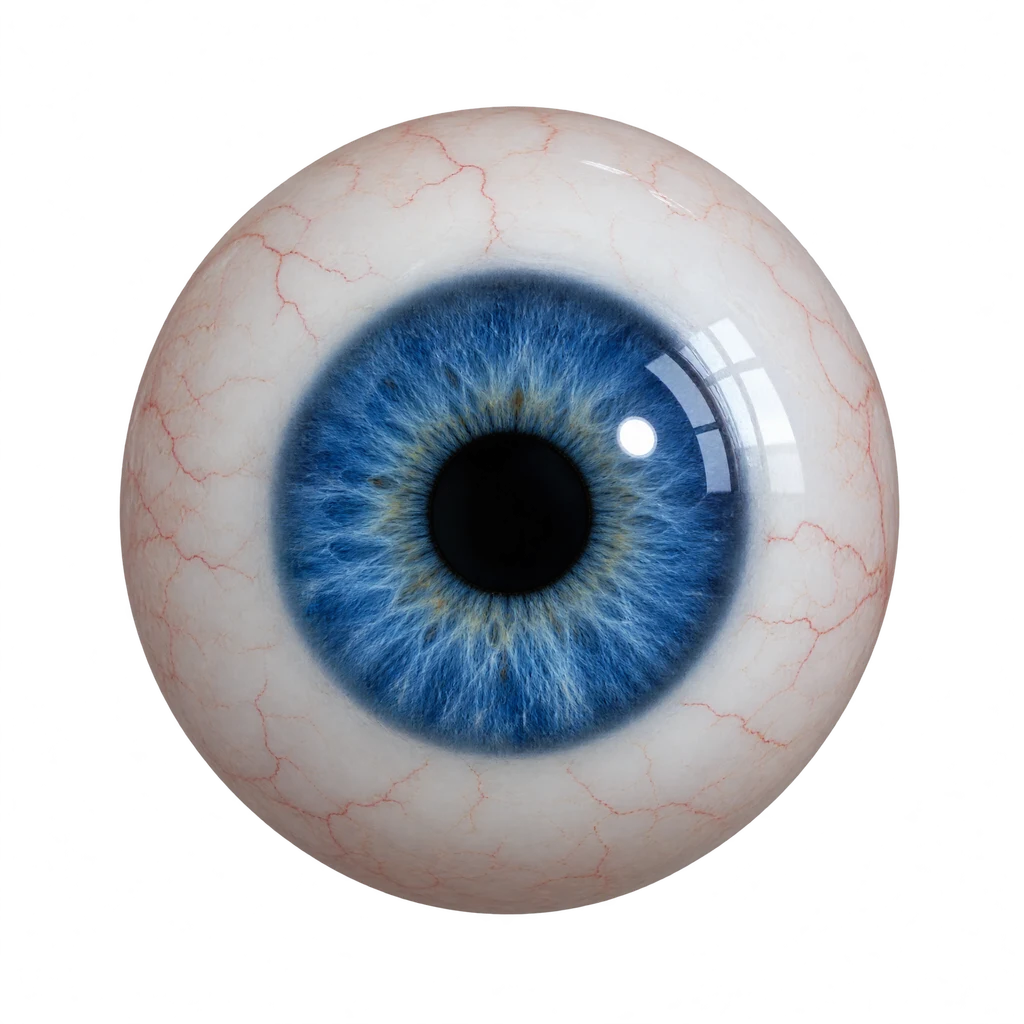
Close-up of a blue eye

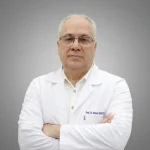
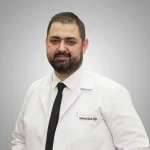
Laser Istanbul Clinic offers the full range of eye treatments in Turkey, from laser eye surgery and lens replacement to cataract, keratoconus, retina, glaucoma, eyelid and squint surgery. Each treatment is led by one of three named surgeons: Prof. Dr. Ahmet Satıcı, Doç. Dr. Muhammet Derda Özer or Op. Dr. Aysan Bayram. Every treatment starts with a full eye examination, and your surgeon only recommends surgery if your eyes are suitable.

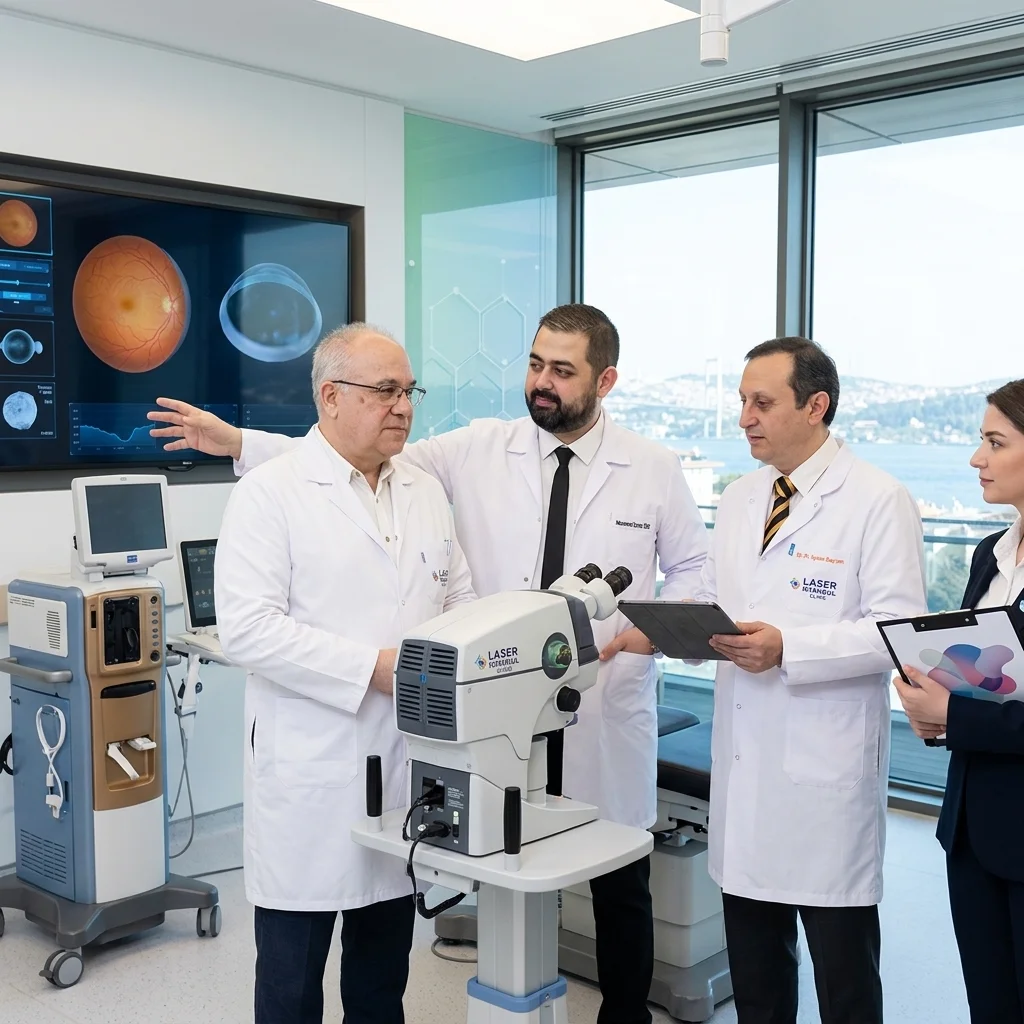
Eye surgeons reviewing scans together in a diagnostic room

What eye surgery is, and how this page is organised

Most people only need to understand the group their problem belongs to

Eye surgery is any operation on the eye or the tissue around it: reshaping the cornea with a laser, replacing the eye's natural lens, repairing the retina, lowering eye pressure, or lifting a heavy eyelid. There are dozens of eye surgery types, but most people only need to understand the group their problem belongs to. This page sorts every treatment we offer into seven groups: laser, lens, cornea, retina and glaucoma, eyelid and cosmetic, children and squint, and other care, including diagnostic tests.

Each card below tells you what the treatment does, who it usually suits and which of our three surgeons leads it. Click through for the full page: how it works, recovery, risks, how long to stay in Istanbul and the typical cost.

Two things are the same whichever treatment you choose

Every treatment begins with a full examination in Istanbul

Including corneal topography, OCT scanning and lens measurements, with the surgeon who will treat you. If the tests show that a different treatment would suit you better, or that surgery isn't right for you, your surgeon will say so.

Eye treatments in Turkey, by group

Fifteen treatment pages in seven groups. Every card names the surgeon who leads that treatment.

Laser eye surgery

1 treatment page

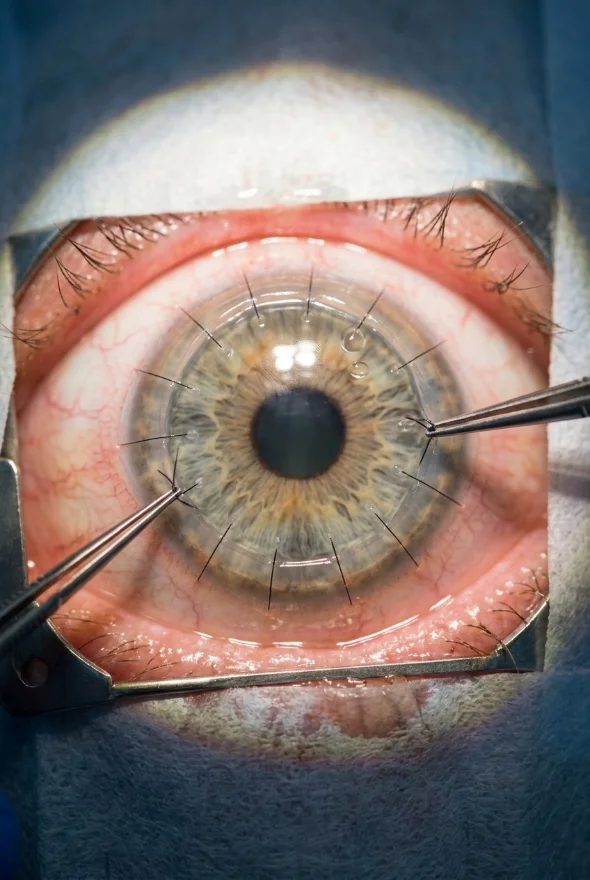
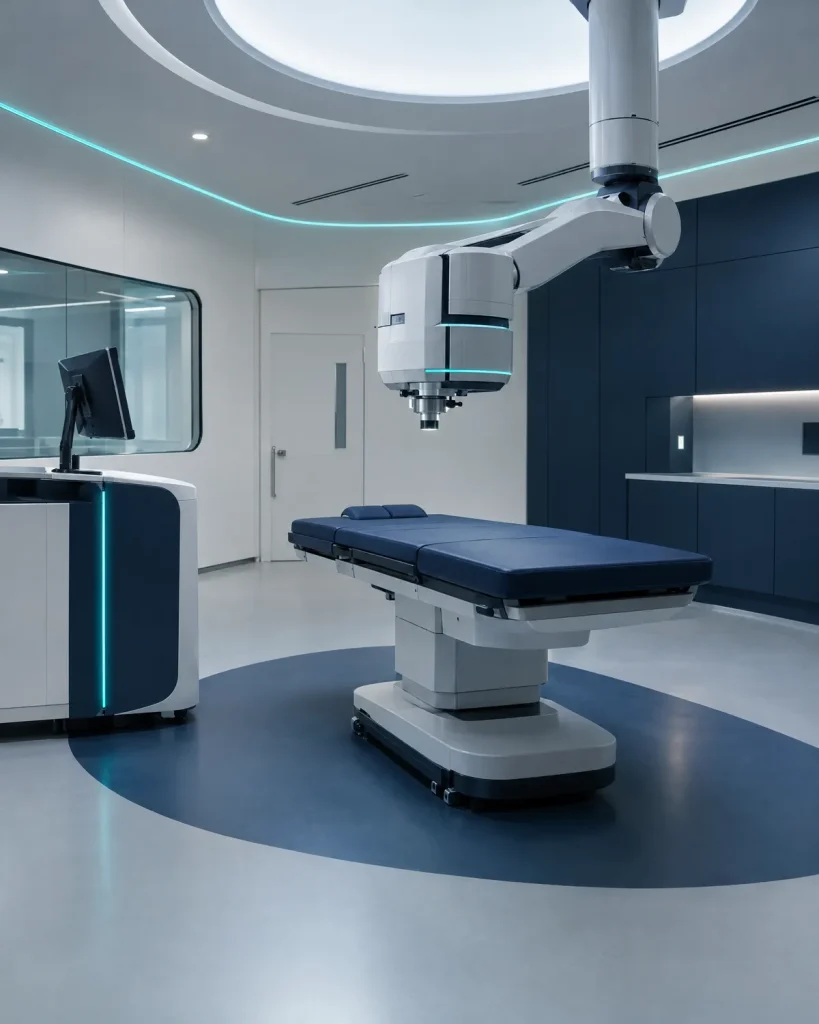
Excimer laser suite for laser eye surgery

Laser eye surgery (LASIK, SMILE Pro, PRK, no-touch laser)

Reshapes the cornea to correct short-sightedness, long-sightedness and astigmatism, usually in about 15 minutes for both eyes. Options include blade-free Femto-LASIK, keyhole SMILE Pro, surface PRK and no-touch Trans-PRK, and blended-vision laser (Presbyond) for some people over 40 who need reading glasses.

Suits
adults from 18 with a stable prescription who want to stop relying on glasses or contact lenses.
Lead surgeons
Prof. Dr. Ahmet Satıcı and Op. Dr. Aysan Bayram
Laser eye surgery in Turkey and Istanbul

Lens surgery

3 treatment pages

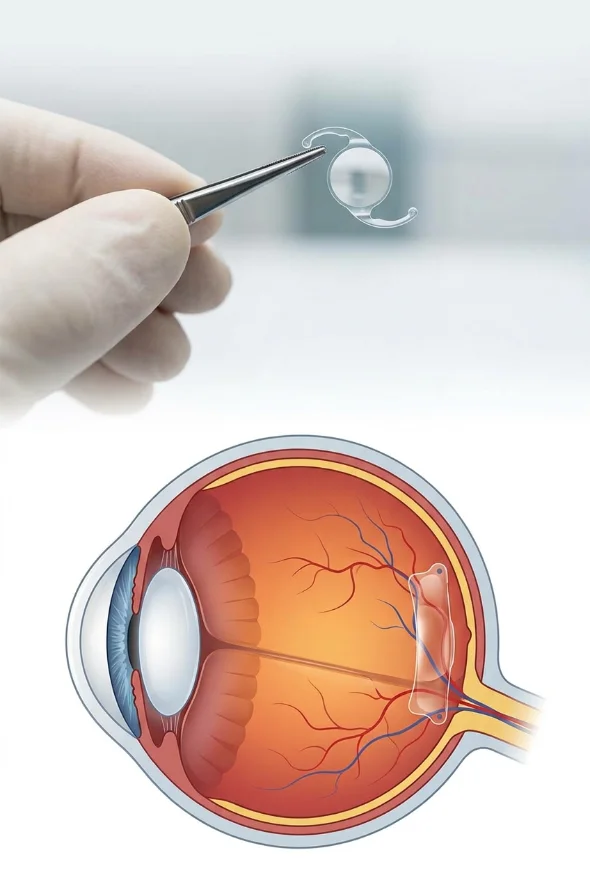
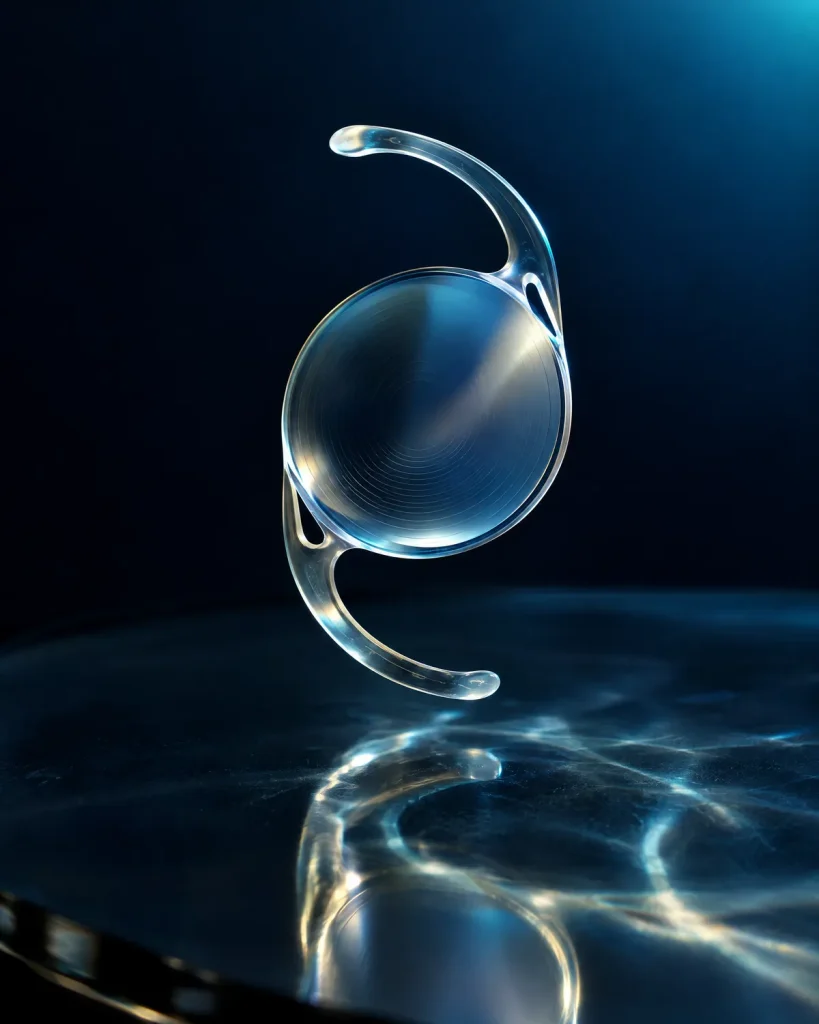
Intraocular lens implant

Lens replacement (RLE / smart lens)

Replaces the eye's natural lens with a premium artificial lens. Trifocal and EDOF lenses can give clear near, middle and distance vision, often without glasses, and a toric lens corrects astigmatism at the same time.

Suits
people over about 45 who are tired of reading glasses or varifocals, and people with high prescriptions.
Lead surgeon
Prof. Dr. Ahmet Satıcı
Lens replacement in Turkey
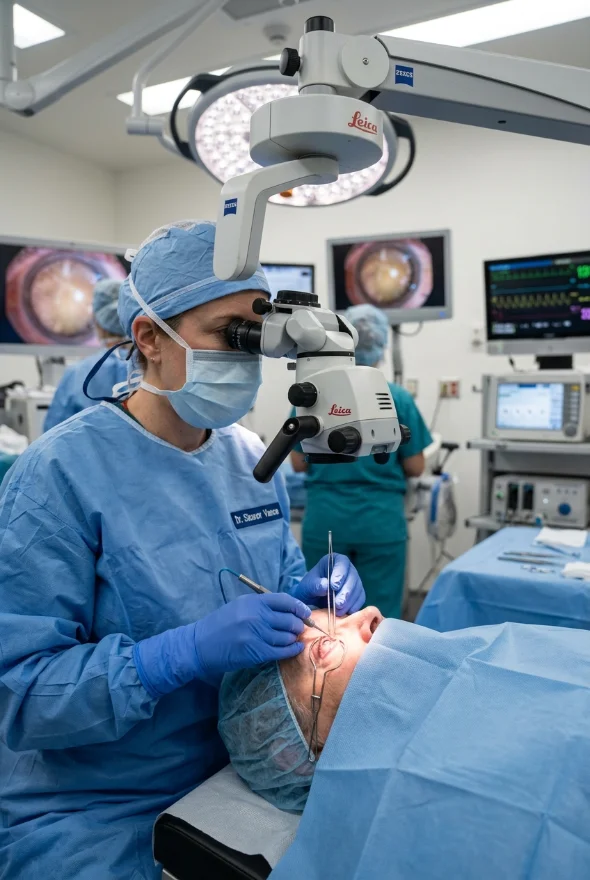
Eye surgeon operating with a surgical microscope

Cataract surgery

Removes a clouded lens and replaces it with a clear one: a standard monofocal lens, or a premium lens that also reduces your need for glasses.

Suits
anyone whose cataract blurs their vision, including people facing a long wait for public treatment at home.
Lead surgeons
all three surgeons
Cataract surgery in Turkey and Istanbul

Cornea

2 treatment pages

Corneal topography map

Stem cell therapy for eyes (limbal stem cell transplant)

Limbal stem cell transplantation is an established operation for limbal stem cell deficiency, where the cells that renew the corneal surface have been lost, for example after a chemical burn. Stem cell treatments for the retina and optic nerve are still experimental, and this page explains the difference honestly.

Suits
people with limbal stem cell deficiency after chemical or thermal injury, infection or certain genetic conditions.
Lead surgeon
Doç. Dr. Muhammet Derda Özer
What is proven and what is still experimental

Retina and glaucoma

3 treatment pages

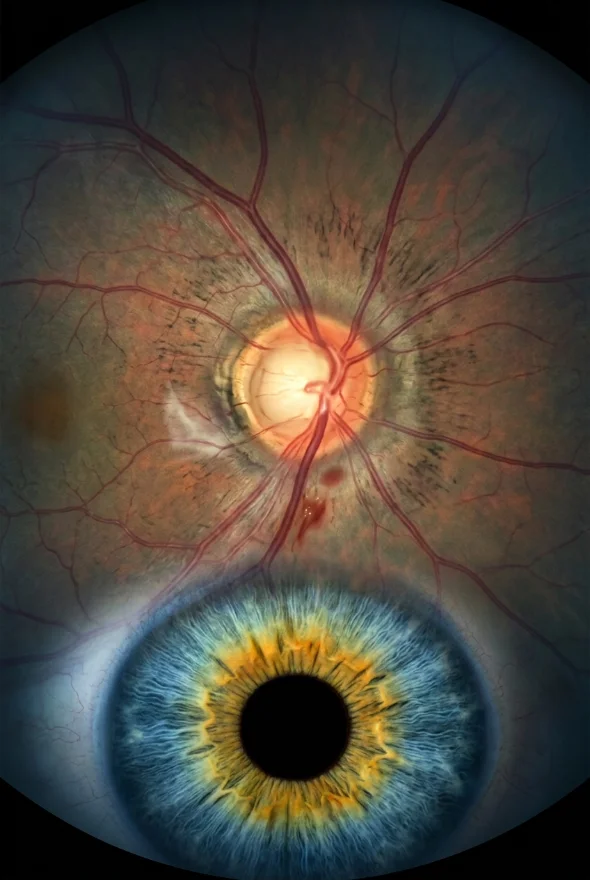
Retina scan showing the optic nerve and blood vessels

Retina surgery (vitrectomy and retinal detachment repair)

Vitrectomy removes the gel inside the eye to repair a detached retina, close a macular hole or clear bleeding from diabetic eye disease. Laser treatment and injections for macular degeneration and diabetic eye disease are also available.

Suits
people with retinal detachment, macular holes, diabetic retinopathy or macular degeneration.
Lead surgeons
Doç. Dr. Muhammet Derda Özer and Op. Dr. Aysan Bayram
Retina surgery: vitrectomy and retinal detachment repair
Illustration of an iris on a light background

Glaucoma treatment and surgery

Lowers the pressure inside the eye to protect the optic nerve, using SLT laser, minimally invasive stents (MIGS), trabeculectomy or tube shunts, depending on how advanced the glaucoma is.

Suits
people whose glaucoma is not controlled well enough by eye drops, or who struggle to use drops.
Lead surgeon
Prof. Dr. Ahmet Satıcı
Glaucoma treatment and surgery in Turkey

Eyelid and cosmetic

2 pages

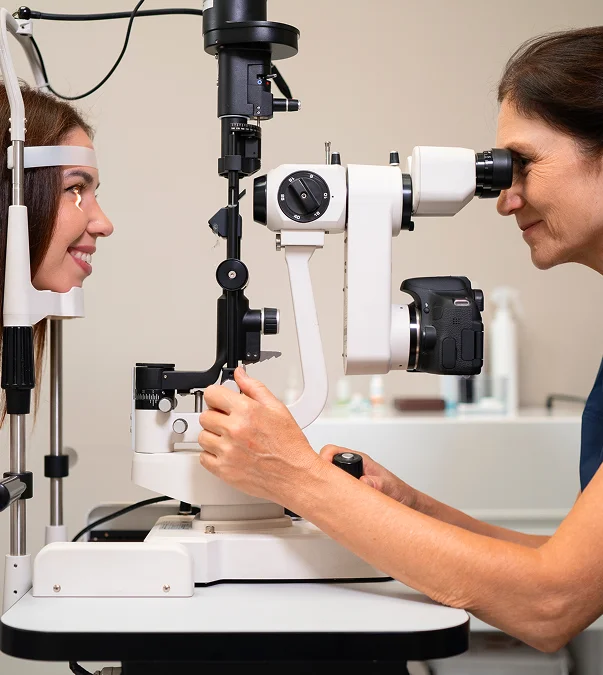
Eye examination at a slit lamp

Eye colour change surgery: why we don't offer it

Cosmetic iris implants and corneal pigment tattooing (keratopigmentation) carry serious risks, including vision loss, and the American Academy of Ophthalmology warned the public against them in 2024. This page explains the risks and the safer alternatives.

Suits
anyone researching eye colour change before making a decision.
Lead surgeon
not offered (information page)
Risks, and why we don't offer it

Children and strabismus

1 treatment page

Other eye care

2 pages, including diagnostic tests

A patient talking with a patient coordinator

Eye infections: conjunctivitis, keratitis and endophthalmitis

Diagnosis and treatment of infections of the eye surface, cornea and inside of the eye, including second opinions for infections that have not settled with treatment.

Suits
people with a long-lasting or recurring eye infection. A painful red eye with reduced vision needs urgent care where you are now, not a trip abroad.
Lead surgeon
Doç. Dr. Muhammet Derda Özer
Eye infections
Corneal topography map

Eye examinations and diagnostic tests

Corneal topography, OCT, angiography, eye ultrasound, visual fields, eye-pressure tests, VEP/ERG and lens-power biometry, used before every operation and also available on their own for a second opinion.

Suits
every surgical patient, and anyone who wants a full specialist check or a second opinion.
Lead surgeons
all three surgeons
Eye examinations and diagnostic tests

Your surgeon chooses the method after measuring your eyes

Never before. Send your prescription and any eye reports for a free review by one of our surgeons, or use our quick tools to prepare: the Am I suitable for laser eye surgery? quiz and the Which lens is right for me? lens finder.

Not sure which treatment you need?

Start from what bothers you most. Your surgeon makes the final recommendation after examining you, but this is where most people begin:

Upload your prescription and scans
If you…Most people start with
are 18–40 and want to stop wearing glasses or contact lensesLaser eye surgery
have been told your prescription is too high or your cornea too thin for laserICL implantable lens
are over about 45 and need reading glasses or varifocalsLens replacement
have cloudy, dim or glary vision, or have been told you have a cataractCataract surgery
have keratoconus, or your astigmatism keeps getting worseKeratoconus treatment
have glaucoma that drops are not controllingGlaucoma treatment
have a retinal problem, macular degeneration or diabetic eye diseaseRetina surgery
have heavy, hooded or drooping eyelidsEyelid surgery
have a turned eye, or your child doesStrabismus surgery
want a second opinion before deciding anythingEye examinations and tests

There is no official list, but most eye surgery falls into three main groups: laser surgery on the cornea (such as LASIK, SMILE and PRK), lens surgery inside the eye (cataract surgery, lens replacement and ICL), and surgery for eye disease (cornea, retina and glaucoma operations). Eyelid and squint surgery work on the tissues around the eye rather than the eye itself. In total we offer more than a dozen distinct eye surgery types, grouped on this page.

Cataract surgery. The American Academy of Ophthalmology describes it as one of the most common surgeries in the world. On the NHS it usually takes 20 to 45 minutes under local anaesthetic, and serious complications are rare.

Cataract surgery is the most common eye operation in older adults, because cataracts mainly affect people as they age. From the mid-40s, lens replacement is also common for people who want to stop using reading glasses, and eyelid surgery for heavy lids is often combined with it.

Yes, in the sense that some eye procedures are short outpatient treatments, such as YAG laser to clear clouding after cataract surgery, laser for retinal tears, or removal of a small growth on the eye surface. "Minor" refers to the size of the procedure, not the importance of the eye: every eye procedure has risks, and your surgeon explains them for your case before you agree.

Sometimes. Cataract is one of the leading causes of blindness worldwide, and the World Health Organization describes cataract surgery as one of the most cost-effective of all health-care interventions. Sight lost from a damaged cornea can sometimes be restored with a corneal or limbal stem cell transplant. Glaucoma is different: the NHS explains that there is no cure, but treatment can slow the damage and help stop vision getting worse, so early treatment matters.

Recent options include SMILE Pro, a keyhole laser method that works through a 2–4 mm opening with no flap; extended-depth-of-focus (EDOF) lenses for lens replacement; and the EVO ICL implantable lens for very high prescriptions. Newer does not always mean better for you; your surgeon chooses the method after measuring your eyes.

Eyelid surgery (blepharoplasty) is a well-established operation when done by an experienced surgeon. Eye colour change surgery is different: the American Academy of Ophthalmology warns that iris implants and corneal pigment tattooing can cause vision loss, and recommends professionally fitted coloured contact lenses instead. We do not offer eye colour change surgery.

Not sure where to start? Ask a surgeon, free

Send your prescription, scans or eye reports. Prof. Dr. Satıcı, Doç. Dr. Özer or Op. Dr. Bayram will tell you which treatments may suit your eyes and what they would cost, in writing, with no obligation.

3 eye surgeons

Your case is reviewed by a named surgeon, not a salesperson. Reply within {{response time}}.

  • Prof. Dr. Ahmet SatıcıProf. Dr. Ahmet Satıcı
  • Doç. Dr. Muhammet Derda ÖzerDoç. Dr. Muhammet Derda Özer
  • Op. Dr. Aysan BayramOp. Dr. Aysan Bayram