
- Home
- LASIK in Turkey from the USA and Canada: Eye Surgery in Istanbul With a Named Surgeon
LASIK in Turkey from the USA and Canada: Eye Surgery in Istanbul With a Named Surgeon
LASIK in Turkey from the USA or Canada, plus lens replacement, cataract surgery and keratoconus treatment in Istanbul, with one of three named eye surgeons: Prof. Dr. Ahmet Satıcı, Doç. Dr. (Associate Professor) Muhammet Derda Özer or Op. Dr. Aysan Bayram. Your price is in US dollars and in writing before you fly, and a personal interpreter is with you at every appointment.
Americans and Canadians travel to Istanbul for eye surgery mainly to save on treatment their insurance doesn't cover, such as LASIK, SMILE and premium lenses, and Canadians also to avoid long cataract waits. The US national average for LASIK is about $4,492 for both eyes. In Istanbul, Prof. Dr. Ahmet Satıcı or Op. Dr. Aysan Bayram performs laser surgery and Doç. Dr. Muhammet Derda Özer treats keratoconus. No tourist visa is needed for short stays.
Why Americans look at LASIK in Turkey: price and coverage
For most US patients, the reason is cost, not waiting time. Eye surgery that reduces your need for glasses is usually something you pay for yourself in the US, and US prices are among the highest in the world.
LASIK and SMILE. The Refractive Surgery Council puts the US national average for LASIK at $4,492 for both eyes (about $2,250 per eye). Our 2025–26 market research found typical advertised US prices of about $4,000–6,000 for LASIK and $5,000–8,000 for SMILE, both eyes. The Refractive Surgery Council advises checking with your insurance carrier for any laser vision correction benefits before you decide.
Cataract surgery and premium lenses. If you're on Medicare, Part B may cover cataract surgery with a conventional intraocular lens: after the 2026 Part B deductible of $283, you pay 20% of the Medicare-approved amount, according to Medicare.gov. The American Academy of Ophthalmology (AAO) explains that Medicare and most insurers cover the standard monofocal lens, while multifocal, EDOF and toric lenses are "premium" lenses that are usually paid out of pocket and can add more than $1,000 per eye. Without insurance, typical published US prices for cataract surgery are about $3,500–7,000 per eye, and trifocal lens replacement (RLE) is about $11,000–15,000 for both eyes.
So the real comparison is self-pay against self-pay: the same type of procedure, the same types of lasers and lenses, a different city and a different price. This is where medical tourism for eye surgery makes most sense: a planned, elective procedure you would pay for yourself either way.
Canada: cataract waits and what provincial plans don't cover
Canadian patients usually have two reasons: waiting and lenses.
Waiting times. According to the Canadian Institute for Health Information (CIHI), 69% of cataract surgeries in Canada were done within the recommended 112 days (16 weeks) in 2024, which means nearly one in three patients waited longer than the benchmark. That still counts only from the decision to operate, not the time it took to see a specialist first. Waits differ a lot by province and region, so ask your ophthalmologist for your own expected date before you decide to travel.
What isn't covered. Provincial plans pay for standard cataract surgery, but not for lenses or surgery aimed at reducing your need for glasses. Ontario's OHIP, for example, does not cover eye surgery, testing or "intraocular lenses with enhanced features" provided to decrease or eliminate dependency on glasses or contact lenses, even when they are provided at the same time as OHIP-insured cataract surgery. Check your own province's plan; laser eye surgery to stop wearing glasses is usually self-pay.
Who travels from Canada? Mostly people who:
- face a long wait and are struggling to drive, read or work in the meantime
- want a premium lens (trifocal, EDOF or toric) that their provincial plan won't pay for
- want both eyes treated in one trip
- want LASIK, SMILE or ICL at a lower self-pay price
LASIK in Turkey cost: prices in US dollars
Typical published prices, 2025–26:
| Treatment | USA (typical advertised) | Istanbul (typical published) | Laser Istanbul Clinic |
|---|---|---|---|
| LASIK / Femto-LASIK (both eyes) | $4,000–6,000 | $1,450–2,700 | from {{$ price}} |
| SMILE / SMILE Pro (both eyes) | $5,000–8,000 | $2,000–3,450 | from {{$ price}} |
| Trifocal lens replacement / RLE (both eyes) | $11,000–15,000 | $3,400–7,000 | from {{$ price}} |
| Cataract surgery, monofocal lens (per eye) | $3,500–7,000 | $1,100–2,700 | from {{$ price}} |
| ICL (per eye) | $3,500–9,000 | $1,800–3,500 | from {{$ price}} |
| Corneal cross-linking for keratoconus (per eye) | $2,500–6,000 | $1,400–2,240 | from {{$ price}} |
US and Istanbul figures are typical ranges from clinic price lists and comparison sites in 2025–26, not quotes. Many published Istanbul prices are bundles that already include a hotel and transfers; ours cover your medical treatment only, with hotel and transfers extra, so you can compare like for like. Your own price is set by your surgeon after reviewing your scans and is confirmed in writing, in US dollars, before you pay a deposit. Canadian patients: {{CAD quote option}}.
Your treatment price includes: your full pre-operative examination and scans, surgery by your named surgeon, medication and eye drops, follow-up checks in Istanbul with the same surgeon, a personal interpreter, a dedicated coordinator, and remote follow-up once you're home.
Not included: flights, hotel and airport transfers. Hotel and transfers are a separate charge, and we can book them for you on request. From North America, the flight is the biggest extra cost, so add it, plus specialist travel insurance, when you compare with a quote at home.
Is LASIK in Turkey from the USA right for you?
LASIK suits many adults with a stable prescription and healthy corneas, but not everyone. The AAO says you should be at least 18, and ideally over 21, when vision is more likely to have stopped changing. Severe dry eye, thin corneas, keratoconus, uncontrolled diabetes and advanced glaucoma usually rule LASIK out. If your corneas are thin, your surgeon may suggest SMILE Pro, surface laser (PRK) or an ICL lens instead.
What to expect afterwards. The AAO notes that almost everyone has dry eyes and some changing vision during the day after LASIK, which usually fades within a month. Glare, halos or starbursts around lights can occur, usually temporarily but sometimes permanently. The US Food and Drug Administration (FDA) advises waiting one to three days before non-contact sports, at least four weeks before contact sports, and one to two months before swimming or hot tubs, and says vision can take three to six months to fully stabilise.
What the trip looks like:
- Free assessment. Send your glasses prescription and any recent eye reports; a surgeon tells you which treatments may suit you and the likely price.
- Book your dates. Your coordinator confirms appointments; you book flights once your surgeon has agreed the plan.
- Day 1: examination. Full scans and an exam with your surgeon, with your interpreter present. Your surgeon confirms whether LASIK is safe for your eyes before anything is done.
- Day 2: surgery. Both eyes are usually treated in the same session, under numbing drops; you rest for the rest of the day.
- Day 3: check-up. Your surgeon checks your eyes the next day.
- Fly home. Most patients can fly 1–3 days after laser surgery, once their surgeon has signed them off.
Your surgeon: who will operate on you
In medical tourism, the surgeon matters more than the city. You'll know exactly who will examine you, operate and check your recovery before you book:
- Prof. Dr. Ahmet Satıcı: laser eye surgery (LASIK, SMILE Pro, PRK), ICL, cataract and premium lens surgery, trifocal lens replacement, eyelid surgery, squint and glaucoma. An ophthalmology specialist since 1992, former Professor and Head of Ophthalmology at Harran University, with 21 peer-reviewed papers on PubMed.
- Doç. Dr. Muhammet Derda Özer (Doç. = Associate Professor): cornea, keratoconus, cross-linking, corneal transplant, retina, uveitis and cataract. Trained at Istanbul University's Faculty of Medicine, Associate Professor since 2021, FICO-qualified, with 27 papers on PubMed. Speaks English.
- Op. Dr. Aysan Bayram: cataract surgery, laser eye surgery and retinal disease. An ophthalmology specialist since 1999, trained at Trakya and Yüzüncü Yıl universities. Speaks English.
Keratoconus patients see Doç. Dr. Özer. Corneal cross-linking aims to stop keratoconus getting worse, so an early assessment matters, especially for teenagers and young adults. Every operation takes place in a fully equipped, Ministry of Health–licensed operating theatre in Istanbul.
Flights from the US and Canada to Istanbul
Istanbul has two international airports: Istanbul Airport (IST) on the European side and Sabiha Gökçen (SAW) on the Asian side. Check which airport your flight uses before you book a hotel, because they're on opposite sides of the city.
It's an overnight, long-haul trip, so most patients arrive a day before their examination to rest. Flights are not included in your treatment price. Book them once your surgeon has confirmed your dates, and choose a flexible return fare if you can, in case your surgeon wants one more check before you fly.
How long to stay. Plan for 3–5 days for laser eye surgery and 5–7 days for lens replacement or cataract surgery, including your examination, surgery and check-ups. Most patients can fly 1–3 days after laser surgery and about 3–7 days after lens or cataract surgery, once their surgeon has checked the eye. After some retina operations that use a gas bubble, flying isn't safe for several weeks; your surgeon will plan your dates around this. Given the distance, many North American patients add a few days to recover before the flight home.
Do Americans and Canadians need a visa for Turkey?
Not for a short tourist stay. According to Turkey's Ministry of Foreign Affairs, US and Canadian ordinary passport holders are exempt from visas for up to 90 days in any 180-day period.
- Passport validity: Canada's travel advice says your passport must be valid for at least 150 days from the date you enter Türkiye (Turkey's rule is 60 days beyond the end of your stay).
- Space for stamps: you may be refused entry if there isn't space in your passport for entry and exit stamps.
- Travelling for treatment: Canada's travel advice (updated 29 September 2026) says that if you travel to Türkiye to seek medical services, you should apply for a medical visa through the official HealthTürkiye portal. Your coordinator will tell you what to prepare; confirm with the nearest Turkish embassy or consulate before you book.
Rules change, so check travel.state.gov (US) or travel.gc.ca: Türkiye (Canada) before you book and again before you travel.
Insurance. The US Centers for Disease Control and Prevention (CDC) advises travellers for medical care to buy international travel health insurance that covers medical evacuation and to check whether follow-up care for complications is covered at home. The Government of Canada warns that your provincial or territorial plan may not cover complications that develop abroad, and that most travel insurance policies won't cover planned procedures in another country. Look for a specialist policy that covers treatment abroad and tell your insurer your plans.
An English-speaking interpreter at every appointment
You won't need a word of Turkish. A personal interpreter joins your examination, your consent discussion, your surgery day and your check-ups, so nothing is lost between you and your surgeon. Doç. Dr. Özer and Op. Dr. Bayram both speak English, and the interpreter is there anyway, because medical conversations are easier with someone whose only job is to make sure you've understood. {{languages: e.g. French for Quebec patients, Spanish, if available}}
Your coordinator handles appointments, documents and questions before and after your trip, by WhatsApp, phone or email. Your surgical report, lens details and medication plan are given to you in English, ready for your optometrist or ophthalmologist at home.
Aftercare back in the US or Canada
Aftercare is the part of eye surgery abroad that deserves the most planning, and the distance home makes it more important, not less.
Before you leave Istanbul. Your surgeon examines you again and only signs you off to fly when your eye is ready. You go home with your full surgical report in English, the exact lens model and power (for lens and cataract surgery), your drop schedule and direct contact details for your coordinator. The CDC recommends taking copies of all your medical records home with you.
Arrange a local eye doctor before you go. The FDA advises regular follow-up for at least the first six months after LASIK, and the CDC recommends arranging follow-up care with a provider at home before you travel. Your surgeon reviews your recovery by video at agreed intervals; for in-person checks, book an optometrist or ophthalmologist near you and share your records. Canada's government also advises reviewing your results with a healthcare provider when you return. {{complication policy: who pays for an in-person review or further treatment at home, and whether re-treatment in Istanbul and the travel for it are covered}}
Tell your eye doctor. After laser surgery, remind whoever checks your eye pressure for glaucoma that you've had it, because laser surgery can make pressure readings read low (Royal College of Ophthalmologists). If you ever need cataract surgery later, tell the surgeon and bring your old prescriptions; it helps them choose the right lens power.
Know the warning signs. Contact your surgeon without delay if you notice increasing pain, light sensitivity, redness or blurring. After cataract or lens surgery, a sudden shadow in part of your vision, flashing lights or a sudden shower of new floaters can mean a retinal detachment and needs urgent attention: go to the nearest emergency department or eye emergency service, then let us know.
Questions US and Canadian patients ask
It can be, if the saving outweighs the cost of flights, hotel and time off work. The US national average for LASIK is about $4,492 for both eyes, and typical published Istanbul prices are about $1,450–2,700. Add a long-haul flight and 3–5 days in Istanbul, and think about how your follow-up will work at home before you decide.
With Laser Istanbul Clinic, LASIK starts from {{$ price}} for both eyes, including your examination, surgery, medication, check-ups in Istanbul and an interpreter. Flights, hotel and transfers are extra. Your surgeon confirms your exact price in writing after reviewing your eyes.
LASIK has the same benefits and risks wherever it is done; what matters is careful screening and an experienced surgeon. Check who will operate, ask which laser will be used, and get a written treatment plan, as the CDC and the Government of Canada both recommend. Our surgeons will tell you honestly if your eyes aren't suitable.
Medicare Part B may cover cataract surgery with a conventional lens, and you pay 20% of the approved amount after the Part B deductible ($283 in 2026). According to the AAO, multifocal, EDOF and toric lenses are usually paid out of pocket and can add more than $1,000 per eye.
It depends on where you live. CIHI reports that 69% of cataract surgeries in 2024 were done within the 16-week benchmark, so nearly one in three patients waited longer. Ask your ophthalmologist for your own expected date.
Not for a tourist stay. US and Canadian ordinary passport holders can stay up to 90 days in any 180 without a visa, and your passport should be valid for at least 150 days from arrival. Canada's travel advice suggests a medical visa through HealthTürkiye for treatment trips, so check the latest rules before you book.
Usually yes, 1–3 days after surgery, once your surgeon has checked your eyes. After lens or cataract surgery, allow about 3–7 days.
Laser eye surgery is listed as a qualifying medical expense in IRS Publication 502, and the Refractive Surgery Council notes laser vision correction is an eligible HSA and FSA expense. Whether your plan pays for treatment abroad is up to your plan administrator, so ask them before you book.
Contact your coordinator straight away; your surgeon reviews your eye by video and, if you need to be seen in person, we share your full records with your local eye doctor. For an emergency, go to the nearest emergency department first. {{complication policy, one sentence}}
Often, yes. LASIK and SMILE are usually done on both eyes on the same day. For lens and cataract surgery, your surgeon will tell you whether both eyes can be treated in one stay and how many days to allow.
Sources for the facts on this page
- Refractive Surgery Council, How Much Does LASIK Cost? (national average $4,492 both eyes / about $2,250 per eye; laser vision correction a qualified FSA/HSA expense; check insurance benefits). https://americanrefractivesurgerycouncil.org/cost-of-lasik/
- Medicare.gov, Cataract surgery (Part B may cover cataract surgery with conventional IOLs; 20% of the Medicare-approved amount after the deductible). https://www.medicare.gov/coverage/cataract-surgery
- Medicare.gov, Medicare costs (2026 Part B deductible $283). https://www.medicare.gov/basics/costs/medicare-costs
- American Academy of Ophthalmology, Factors to Consider in Choosing an IOL for Cataract Surgery (Medicare and most insurers cover monofocal; premium lenses usually out of pocket; can cost more than a thousand dollars). https://www.aao.org/eye-health/tips-prevention/best-artificial-lens-implant-iol-cataract-surgery
- American Academy of Ophthalmology, LASIK (reviewed 9 Jan 2026): age 18+, ideally 21+; who is not suitable; dry eye in almost everyone, usually fading within a month; glare and halos. https://www.aao.org/eye-health/treatments/lasik
- US Food and Drug Administration, What should I expect before, during and after surgery? (LASIK): follow-up within 24–48 hours and for at least six months; sports, swimming; vision stabilises over 3–6 months. https://www.fda.gov/medical-devices/lasik/what-should-i-expect-during-and-after-surgery
- Canadian Institute for Health Information, Wait times for priority procedures in Canada, 2025 (published 12 Jun 2025): 69% of cataract surgeries within the 112-day benchmark in 2024. https://www.cihi.ca/en/wait-times-for-priority-procedures-in-canada-2025
- Government of Ontario, What OHIP covers (eye surgery, testing and IOLs with enhanced features to reduce dependency on glasses not covered, even with OHIP-insured cataract surgery). https://www.ontario.ca/page/what-ohip-covers
- Republic of Türkiye Ministry of Foreign Affairs, Visa information for foreigners (USA and Canada ordinary passports visa-exempt up to 90 days in any 180; passport valid 60 days beyond stay). https://www.mfa.gov.tr/visa-information-for-foreigners.en.mfa
- Government of Canada, Travel advice and advisories: Türkiye (updated 29 Sep 2026): tourist visa not required up to 90 days in 180; passport valid 150 days from entry; space for stamps; medical visa via HealthTürkiye for medical services; medical tourism advice and written treatment agreement. https://travel.gc.ca/destinations/turkey
- Government of Canada, Medical care outside Canada (provincial plans may not cover complications abroad; most travel insurance won't cover planned procedures; review results with a provider on return). https://travel.gc.ca/travelling/health-safety/medical-care-outside-canada
- HealthTürkiye (Republic of Türkiye Ministry of Health), Medical visa. https://healthturkiye.gov.tr/medical-visa
- US Centers for Disease Control and Prevention, Medical Tourism: Getting Medical Care in Another Country (travel health insurance with medical evacuation; follow-up costs; check clinician qualifications; copies of records; arrange follow-up at home). https://wwwnc.cdc.gov/travel/page/medical-tourism
- Internal Revenue Service, Publication 502, Medical and Dental Expenses (2025): eye surgery to treat defective vision, such as laser eye surgery, is a medical expense. https://www.irs.gov/publications/p502
Send us your prescription. A surgeon will reply.
Message us your glasses prescription, any eye-doctor reports and your questions. Prof. Dr. Satıcı, Doç. Dr. Özer or Op. Dr. Bayram will tell you which treatments may suit your eyes and what they would cost in US dollars, with no obligation. You'll get a reply within {{response time}}.
3 eye surgeons
Your case is reviewed by a named surgeon, not a salesperson. Reply within {{response time}}.
 Prof. Dr. Ahmet Satıcı
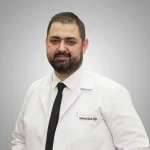 Doç. Dr. Muhammet Derda Özer
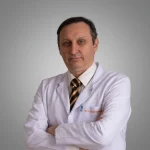 Op. Dr. Aysan Bayram