
- Home
- Knowledge centre
- Comparisons
- Laser vs LASIK
Laser vs LASIK: What Is the Difference?
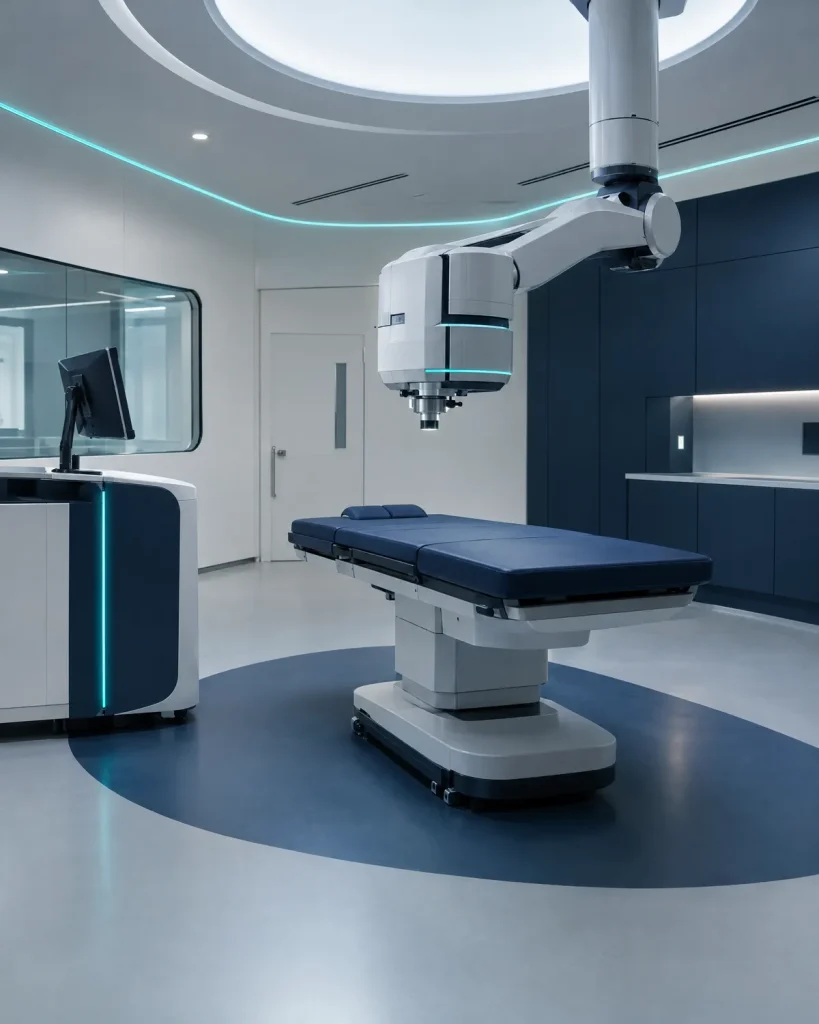
Laser vs LASIK is not a choice between rivals: LASIK is one type of laser eye surgery, alongside SMILE and surface laser (PRK, LASEK, Trans-PRK). All reshape the cornea to reduce your need for glasses, and the Royal College of Ophthalmologists says results at three months are equally good. The differences are the flap, recovery time and who each suits. Prof. Dr. Ahmet Satıcı or Op. Dr. Aysan Bayram picks the method after examining you in Istanbul.
What is the difference between laser eye surgery and LASIK?
"Laser eye surgery" is the general name for operations that use a laser to change the curve of the cornea, the clear front window of the eye, so that light focuses sharply on the retina. LASIK (laser in situ keratomileusis) is the best-known of them, which is why many people use the two words as if they meant different things. The Royal College of Ophthalmologists (RCOphth) lists three families used in the UK:
- LASIK: a thin protective flap is lifted, the laser reshapes the cornea underneath, and the flap is smoothed back.
- Lenticule extraction (SMILE): a laser shapes a small disc of tissue inside the cornea, and the surgeon removes it through a small opening. There is no flap.
- Surface laser (PRK, LASEK, Trans-PRK): the clear skin layer of the cornea is removed, the laser reshapes the surface beneath, and the skin grows back over about a week.
So when someone asks, "should I have laser or LASIK?", the useful question is: which laser method suits my eyes? The RCOphth says the risks and benefits of the three are similar and that all of them normally give very good results in the right patients. The differences are in how the surgeon reaches the tissue, how quickly you recover and which patients each method fits best.
Some things are the same whichever you choose. You need to be over 18 with a stable prescription (normally no change greater than 0.5 dioptres in two years). Surgery is done under numbing eye drops, usually on both eyes in about half an hour, and you go home the same day. And a good surgeon decides the method only after measuring your eyes.
- LASIK is a laser eye surgery, not an alternative to it. "Laser" is the family; LASIK, SMILE and PRK are the members.
- Choose LASIK if you want the fastest visual recovery (many people are back at work the next day, says the RCOphth) and your corneas are suitable for a flap.
- Choose SMILE or surface laser if you want to avoid a flap: SMILE for a flap-free treatment of short sight through a small opening; surface laser (PRK or Trans-PRK) if your corneas are thinner or you play contact sports, accepting a slower and more uncomfortable first week.
- Do not choose by label. Results at three months are equally good for all types, so the right method is the one your surgeon recommends after your scans.
LASIK vs SMILE vs PRK: side by side
The table compares LASIK with the other two laser families. Recovery, comfort and contact-sport details come from the RCOphth; the SMILE details from EyeWiki, the American Academy of Ophthalmology's clinical wiki.
| LASIK (Femto-LASIK) | SMILE / SMILE Pro | Surface laser (PRK, LASEK, Trans-PRK) | |
|---|---|---|---|
| Lasers used | Two: a femtosecond laser makes the flap, an excimer laser reshapes the cornea | One: a femtosecond laser shapes the lenticule | One: an excimer laser |
| Flap? | Yes, a thin protective flap that is lifted and put back | No flap | No flap; the skin layer is removed and regrows |
| How the tissue is reached | Under the flap | Through a 2–3 mm opening | From the surface, after the skin layer is removed |
| Treats | Short sight, long sight, astigmatism | Short sight, with or without astigmatism (US approval covers short sight only) | Short sight, long sight, astigmatism |
| Visual recovery | Fastest: many people return to work the next day | Slightly slower than LASIK | A week or longer before the driving standard; fully settled over about three months |
| Eye comfort | Mild surface discomfort is normal early on | Surface comfort may recover slightly faster than after LASIK | Normally very sore while the skin layer regrows (about a week); Trans-PRK shortens recovery by 1–2 days |
| Contact sports | Wait at least one month | Sooner than after LASIK | Sooner than after LASIK |
| Flap-related risk | Yes (for example a flap that shifts after a knock or eye rubbing) | None | None |
| Results at three months | Equally good | Equally good | Equally good |
| Often chosen by | People who want the quickest return to normal and have suitable corneas | People who want no flap and are short-sighted | People with thinner corneas, contact-sport players, and those who prefer no flap |
Your surgeon recommends a method only after your examination. Source for recovery, contact sports and results at three months: RCOphth, Laser Vision Correction patient information (2024).
What this means in plain words
LASIK trades a flap for speed. Because the corneal skin layer stays intact, healing is quick, but the flap itself needs respect: no contact sports for at least a month and no eye rubbing. Surface laser has no flap, but the skin layer has to regrow, which makes the first week sore and slows visual recovery. SMILE sits between the two: no flap and the skin layer mostly intact, but it treats short sight only, and the tissue removed is slightly greater and slightly deeper than in LASIK, according to the RCOphth.
Who each laser method suits
LASIK may suit you if…
- You want the quickest recovery. Patients undergoing LASIK are often able to return to work the day after surgery (RCOphth).
- You are long-sighted or have a mixed prescription. LASIK treats short sight, long sight and astigmatism. Long-sighted people often notice it more from their thirties onwards, as the eye's own lens stiffens; our article on short-sightedness vs long-sightedness explains how the two differ.
- Your corneas are healthy and thick enough for a flap, which your surgeon confirms with corneal scans.
- You do not play contact sports, or you are happy to avoid them for at least a month.
SMILE or SMILE Pro may suit you if…
- You are short-sighted (with or without astigmatism) and want a method without a flap.
- You are active. There is no flap to dislodge, so you can return to contact sports sooner than after LASIK (RCOphth).
- You are prone to dry eyes. SMILE cuts fewer corneal nerves than LASIK. In one study summarised by EyeWiki, 80% of SMILE patients no longer needed any eye drops six months after surgery, against 57% of LASIK patients. The RCOphth says differences between techniques are small, so treat this as a possible advantage, not a promise.
Two honest caveats: SMILE is used mainly for short sight, and if a touch-up is ever needed it is often done with surface laser rather than by repeating SMILE.
Surface laser (PRK, LASEK, Trans-PRK) may suit you if…
- Your corneas are thinner. With no flap to cut, surgeons often consider surface laser when corneal thickness is a concern. Your scans decide.
- You play contact sports or have a job with a risk of knocks to the eye.
- You can take a slower first week. The eye is normally very sore while the skin layer regrows, and you may need a week or longer before you reach the driving standard (RCOphth).
When none of them is the right answer
The RCOphth notes that some people with lower prescriptions are better suited to lens implants, and that implantable lenses (phakic lenses) are often a good alternative when the prescription is outside the usual laser range: up to −10.00D of short sight, up to +4.00D of long sight and up to ±6.00D of astigmatism. For people of retirement age, where early cataract is common, lens replacement is often preferred. Cataracts and some problems of the eye surface can also rule laser out. Our surgeons tell you if another treatment is better for you, before you travel.
How much does each laser method cost?
Surface laser is usually the lowest-priced method, LASIK sits in the middle and SMILE is usually the highest. The method changes the price less than where you have it done: Istanbul prices are well below UK and US prices.
Typical published prices, both eyes
| Method | UK, both eyes (2026) | Istanbul, both eyes (USD, 2025–26) | Laser Istanbul Clinic |
|---|---|---|---|
| LASIK / Femto-LASIK | £2,590–£6,500 | $1,450–2,700 | from {{price}} |
| PRK / LASEK | £1,150–£5,900 | not published separately | from {{price}} |
| SMILE / SMILE Pro | £3,990–£7,500 | $2,000–3,450 | from {{price}} |
Advertised ranges, not quotes. Many UK clinics quote per eye, so double a "from" price to compare. Many advertised Istanbul packages include a hotel and airport transfers; our prices do not. At Laser Istanbul Clinic, laser treatment starts from {{price}} for both eyes, including the pre-operative examination and scans, surgery by your named surgeon, medication, follow-up checks in Istanbul, a personal interpreter, a coordinator and remote follow-up. Hotel and airport transfers are a separate charge, arranged on request; flights are not included.
Comparing the middle of each range, typical Istanbul LASIK prices are about 65% below UK prices and about 60% below US prices, and SMILE is about 66% below UK prices (our market research, 2025–26). For laser alone, Gulf prices are much closer to Istanbul prices.
When you compare two quotes, line them up on the same points:
- Per eye or both eyes?
- Which laser, by name? "LASIK" alone does not tell you which flap technology or laser platform is used.
- Which tests are included? Corneal mapping should be part of the price.
- What happens if a touch-up is needed? According to the RCOphth, extra laser treatments to fine-tune the result are normally included for up to two years, and up to 1 in 10 patients need some additional surgery.
- Can the NHS or insurance pay? Usually not. Surgery to correct the need for glasses is not available as an NHS procedure and is not covered by private health insurance, says the RCOphth.
Read more about each treatment
How do the risks compare?
The risks of the three families are similar, and they are small for suitable patients. According to the RCOphth:
- Permanent serious loss of vision is rare. Fewer than 1 in 5,000 patients need a corneal transplant to restore vision after laser surgery, and good vision can normally be restored when that is needed.
- Up to 1 in 10 patients need some additional surgery to get the best result. This is the most common "problem" and usually feels like the original treatment.
- Glare, halos and starbursts are common early on, especially after treatment for higher prescriptions, and are usually mild with modern lasers and improve within a few months.
- Dry eye symptoms and variable vision come from a less stable tear film while the cornea heals; comfort usually returns to normal within a few months.
- Red blotches on the white of the eye are particularly common after LASIK and can take up to six weeks to clear. They are temporary and do not affect eye health.
What differs between methods is mostly which risks apply: only LASIK has flap-related problems, and only surface laser has a sore healing week. Over 95% of patients are satisfied with the outcome of laser vision correction, according to the RCOphth. The American Academy of Ophthalmology lists severe dry eye and keratoconus among the reasons laser may not be suitable, which is why careful checks of the cornea come before any method is chosen.
How do I choose between laser and LASIK?
Get your measurements first
Corneal thickness, corneal shape, tear film and your prescription decide which methods are safe for you.
Tell your surgeon how you live
Contact sports, a job where a week of discomfort is hard, and how fast you need to be back at work all point towards different methods.
Ask which laser, which method and why
A good surgeon explains why one method suits your eyes better than the other two, and says honestly when none does.
Compare like with like on price
Ask what is included and what a touch-up costs.
Compare with the alternative
For most people the realistic alternative to laser is contact lenses. The RCOphth says roughly 1 in 3,000 contact-lens wearers each year develops a serious corneal infection. Our comparison of contact lenses vs laser eye surgery: 10-year cost and safety sets out the long-term numbers.

Who chooses your laser method in Istanbul?
At Laser Istanbul Clinic the surgeon who examines you is the surgeon who operates, and you know their name before you book.
- Prof. Dr. Ahmet Satıcı: laser eye surgery (LASIK, SMILE Pro and PRK), cataract and premium lens surgery, ICL, eyelid and oculoplastic surgery, squint and glaucoma. An ophthalmology specialist since 1992 and former Professor and Head of the Department of Ophthalmology at Harran University, with 21 peer-reviewed papers listed on PubMed.
- Op. Dr. Aysan Bayram: laser eye surgery, cataract surgery and retinal disease. An ophthalmology specialist since 1999, trained at Trakya University and Yüzüncü Yıl University. She speaks English, and her retinal expertise matters for people with a high short-sighted prescription, whose retina needs a careful check before laser.
- Doç. Dr. Muhammet Derda Özer (Doç. is the Turkish title for Associate Professor): if your scans show a weak or irregular cornea, our cornea and keratoconus specialist reviews your case. He speaks Turkish and English.
Your surgery takes place in a fully equipped, Ministry of Health–licensed operating theatre in Istanbul, and you receive the address before you travel. After a full examination with corneal mapping in Istanbul, your surgeon names the laser method that suits you and explains the risks for your eyes, through your personal interpreter.
More comparisons: All eye-care comparisons →
Frequently asked questions
LASIK is one kind of laser eye surgery, but not the only kind. "Laser eye surgery" covers LASIK, SMILE (lenticule extraction) and surface laser (PRK, LASEK, Trans-PRK). All of them use a laser to reshape the cornea and correct short sight, long sight or astigmatism. LASIK is the one that uses a flap.
Laser eye surgery is the whole family of treatments, and LASIK is the member that makes a thin flap before the laser reshapes the cornea underneath. The other members skip the flap: SMILE removes a small disc of tissue through a small opening, and surface laser removes the skin layer and reshapes the surface. The three give equally good results at three months, but recovery and risks differ.
Neither is better for everyone. LASIK treats short sight, long sight and astigmatism, and gives the fastest visual recovery. SMILE has no flap and treats short sight, with or without astigmatism. The RCOphth says visual recovery after lenticule extraction may be slightly slower, while surface comfort may recover slightly faster. Your surgeon recommends one after scanning your eyes.
It depends on your corneas and your lifestyle. LASIK recovers fastest, and many people return to work the next day. PRK has no flap, so contact sports are possible sooner, but the eye is normally very sore for about a week while the skin layer regrows, and you may need a week or longer before you reach the driving standard. By three months, results are equally good.
No method is safer in general; the risks are similar and small for suitable patients. What differs is the type of risk: only LASIK has flap-related problems, while surface laser has a sore healing week. Fewer than 1 in 5,000 patients need a corneal transplant after laser surgery (RCOphth), and careful screening of your corneas is the best protection.
Surface laser (PRK or LASEK) is usually the lowest-priced method, LASIK sits in the middle and SMILE is usually the highest. Typical published prices in Istanbul for both eyes are $1,450–2,700 for LASIK and $2,000–3,450 for SMILE. Laser treatment with us starts from {{price}} for both eyes; hotel and transfers are not included.
Possibly, but not with every method. Very thin corneas can rule out some laser treatment, so your surgeon measures corneal thickness and shape and may choose a surface laser, or advise a lens treatment instead. If your scans show an irregular cornea, our cornea specialist reviews your case.
Not on its own. Glasses may still be needed for reading in older patients after laser, says the RCOphth. From the mid-40s, surgeons often aim for good distance vision in one eye and good vision at arm's length in the other, which at least partly restores near vision. For people of retirement age, lens replacement is often preferred.
Generally not. The NHS says laser eye surgery is not usually offered, except for eye conditions that could lead to loss of vision, and the RCOphth says it is not covered by private health insurance either. People normally pay for it themselves, which is why many compare prices abroad.
Prescriptions can still change with age, whichever method you choose. According to the RCOphth, short sight and astigmatism normally stabilise in the late teens or early twenties, but natural changes can occur at any stage, so laser vision correction sometimes needs to be repeated. Results can take up to two years to stabilise fully, and most clinics charge for treatment of natural prescription changes that happen after two years.
Sources for the facts on this page
- *Medical facts (opened and checked, October 2026):**
- **American Academy of Ophthalmology, LASIK: Laser Eye Surgery.** LASIK as a type of refractive surgery for myopia, hyperopia and astigmatism; flap, excimer laser reshaping, flap reattaches by itself; candidates 18+ (ideally over 21) with stable prescription and healthy corneas; severe dry eye and keratoconus among the reasons not to have it. https://www.aao.org/eye-health/treatments/lasik
- **EyeWiki (American Academy of Ophthalmology), Small Incision Lenticule Extraction (SMILE).** 2–3 mm opening, no flap; FDA-approved for myopia, not hyperopia; no significant difference between SMILE and femtosecond LASIK in refractive outcomes in a meta-analysis; at six months 80% of SMILE patients vs 57% of LASIK patients had finished using eye drops (study summarised); minimal corneal nerve severance. https://eyewiki.org/Small_Incision_Lenticule_Extraction_(SMILE)
- US FDA, Summary of Safety and Effectiveness Data, VisuMax Femtosecond Laser (PMA P150040/S003, 4 Oct 2018). SMILE indicated for myopia with or without astigmatism, sphere −1.00D to −10.00D, cylinder −0.75D to −3.00D, patients 22 or older (basis for "US approval covers short sight only"). https://www.accessdata.fda.gov/scripts/cdrh/cfdocs/cfpma/pma.cfm?id=P150040
- **NHS, Laser eye surgery and lens surgery.** Not usually offered on the NHS except for sight-threatening conditions or problems that glasses and contact lenses cannot correct; several types of laser surgery exist. https://www.nhs.uk/tests-and-treatments/laser-eye-surgery-and-lens-surgery/
- *Prices and surgeon facts (project files):**
Find out which laser method suits your eyes, free
Send your glasses or contact-lens prescription and any recent eye report, and Prof. Dr. Satıcı or Op. Dr. Bayram will tell you whether LASIK, SMILE, PRK or a lens treatment may suit you, who would operate and what it would cost, in writing, with no obligation.
3 eye surgeons
Your case is reviewed by a named surgeon, not a salesperson. Reply within {{response time}}.
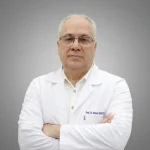 Prof. Dr. Ahmet Satıcı
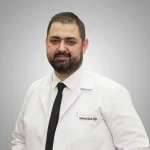 Doç. Dr. Muhammet Derda Özer
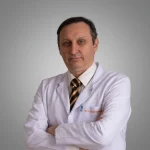 Op. Dr. Aysan Bayram