
- Home
- Knowledge centre
- Eye glossary A–Z
- Stye (Hordeolum): What It Is, Causes, Symptoms and Treatment
Stye (Hordeolum): What It Is, Causes, Symptoms and Treatment
Medically reviewed by {{surgeon}}, {{surgeon's title and specialty}}, on {{review date}}. Last updated {{date}}.
Stye (noun; medical name hordeolum, plural hordeola): a stye is a small, painful, red lump on the edge or inside of the eyelid, usually caused by a bacterial infection of an eyelash follicle or one of the eyelid's oil glands. Most styes settle by themselves in about a week with warm compresses and are rarely serious. Eyelid problems that keep coming back, such as repeated styes or lumps, can be assessed by Prof. Dr. Ahmet Satıcı, our eyelid and oculoplastic surgeon.
Stye (hordeolum): key facts
- What it is
- A localised infection of a gland or follicle in the eyelid, seen as a tender lump
- Types
- External (at the eyelash base) and internal (deeper in the eyelid)
- Usual cause
- Bacteria, most often Staphylococcus aureus
- Who gets them
- Any age; a common problem in primary care
- Typical course
- Usually settles within about one week; rarely serious
- First-line care
- Warm compresses 2–4 times a day, no squeezing
- Linked conditions
- Blepharitis, rosacea, diabetes (in recurrent cases)
- Most common complication
- A chalazion, a firm lump that can stay behind
- Specialist
- Ophthalmologist; for recurrent eyelid problems, an eyelid (oculoplastic) surgeon such as Prof. Dr. Ahmet Satıcı
What is a stye?
A stye (hordeolum) is an acute infection of a small gland or hair follicle in the eyelid. It shows up as a painful pustule, like a pimple, along the lid margin. It usually affects one eye, although more than one stye can appear at a time. The eyelid's anatomy helps here: the orbital septum, a thin membrane in the lid, normally helps to keep infection contained.
What are the types of stye?
There are two types, depending on which gland is involved.
| Type | Where it is | Glands involved | What you see and feel |
|---|---|---|---|
| External stye | At the base of an eyelash, on the lid edge | The glands of Zeis or Moll, small glands at the base of the eyelashes | A red, tender bump on the outside edge of the lid, often with a yellow, pus-filled centre |
| Internal stye | Inside the eyelid | The meibomian glands, the deeper oil glands in the lid that keep the eye lubricated | A swollen, tender area deeper in the lid; the pus point may be less visible from outside |
Both types are bacterial in origin, and the first-aid steps are the same.
What causes a stye?
A stye is caused by bacteria infecting an eyelash follicle or an eyelid gland. Staphylococcus aureus, a common skin bacterium, is the main cause in all age groups, according to the StatPearls review of hordeolum.
Things that make a stye more likely:
- Blepharitis, long-term inflammation of the lid edges, with crusting and irritated lashes
- Rosacea, a skin condition that can also affect the eyelids
- Diabetes, which doctors consider when styes keep coming back
Recurrent styes can be a sign of an underlying condition such as blepharitis, rosacea or diabetes, which is why a doctor looks at the cause and not only at the lump.
Stye symptoms: what does a stye look and feel like?
According to the NHS, the typical signs are:
- a small, painful bump on or inside the eyelid
- swollen, red skin around the lump
- a yellow, pus-filled centre (this can be harder to see on darker skin)
- a red, watery eye
Vision is not affected by an ordinary stye. A stye usually develops over several days, and it normally affects one eye, though you can have more than one at once.
Stye vs chalazion: what is the difference?
A stye is an acute infection and is painful; a chalazion is a blocked oil gland that forms a firm, usually painless lump. The two are related, and a chalazion can follow a stye.
| Stye (hordeolum) | Chalazion | |
|---|---|---|
| Cause | Bacterial infection of a follicle or gland | A blocked meibomian gland duct |
| Pain | Tender and painful | Not tender once the swelling settles |
| Look | Red, swollen, often with a yellow head | A firm nodule in the eyelid |
| Onset | Over several days | Often follows an internal stye |
| Usual course | Settles in about a week | Most heal on their own, within about a month, but may come back |
| Treatment | Warm compresses, hygiene | Warm compresses; if it keeps growing, a steroid injection or surgical removal |
If a lump stays after the pain and redness have gone, it may be a chalazion. Glossary: Chalazion →

How is a stye diagnosed?
A stye is normally recognised by examining the eyelid. A GP or eye doctor looks at the lid and lashes to confirm that the lump is a stye and not something else, such as a chalazion or a spreading eyelid infection, and considers whether blepharitis or another condition is behind repeat styes. A lump that keeps getting bigger despite treatment, or comes with an area of eyelash loss, is a reason to see a healthcare provider, according to MedlinePlus.
How do you treat a stye?
Most styes need only home care. The NHS advises:
- Hold a warm flannel against the closed eye for 5 to 10 minutes, 2 to 4 times a day.
- Take paracetamol or ibuprofen if it hurts, as long as these are suitable for you.
- Do not try to burst the stye.
- Avoid contact lenses and eye make-up until it has healed.
Styes generally clear within a week.
Do antibiotics or steroids help?
For an ordinary stye the honest answer is that nobody has proved it. The Cochrane review of non-surgical treatments for acute internal hordeolum (Lindsley, Nichols and Dickersin, 2017) searched for randomised trials of compresses, antibiotics and steroids and found none that qualified. Its authors concluded that there is no evidence for or against these treatments. Warm compresses remain the standard home advice because they are simple, cheap and safe, not because trials have shown they speed healing. Whether a doctor adds medication, for example when infection is spreading, is a clinical decision made after examining you.
What can a doctor do?
According to the NHS, a GP may:
- lance (open) the stye with a sterilised needle
- remove the affected eyelash
- refer you to an eye specialist
What if a lump stays?
If a firm lump remains after the stye has gone, it may be a chalazion. Most chalazia go away on their own within about a month, but a lump that keeps growing may need a steroid injection or minor surgery to remove it, according to MedlinePlus.
Can I pop a stye?
No. The NHS says clearly not to try to burst a stye. Keep using warm compresses instead; if a stye needs draining, a doctor can lance it with a sterilised needle.
How long does a stye last?
Most styes get better within about a week. The NHS says they generally clear in a week and are rarely serious. Some leave a firm lump (a chalazion) that can take about a month to settle. If a stye has not improved after several weeks, see your GP.

Complications of a stye
Complications are uncommon, but StatPearls notes that an untreated or badly managed stye can lead to a chalazion, to preseptal cellulitis (infection of the eyelid tissue in front of the orbital septum) and, rarely, to orbital cellulitis (infection of the tissues around the eyeball itself, which is a medical emergency). The orbital septum helps to contain infection, which is one reason serious spread is rare.
Do not wait if the swelling, redness or pain is spreading, as the next section explains.
When to see a doctor about a stye
Get urgent medical advice (same-day GP, eye emergency service or A&E) if you have:
- severe pain or severe swelling of the eyelid
- changes in your vision
- pus discharge
- infection that appears to be spreading to the eye or the rest of the eyelid
Make a routine appointment if:
- the stye has not improved after several weeks of home care
- a lump stays or keeps growing after the tenderness has gone
- you keep getting styes, since a doctor can check for blepharitis, rosacea or diabetes
- eyelashes are being lost around the lump
For anything acute, see a local doctor first. We cannot examine you remotely, and a spreading eyelid infection is not something to treat from a distance.
How can you prevent styes?
The NHS recommends good eye hygiene:
- wash your face every night and remove all make-up
- clean the eyelids and lashes
- wash your hands before handling contact lenses
- don't share towels or flannels
If you have blepharitis or rosacea, treating them is part of preventing the next stye.
Recurrent styes, chalazia and eyelid care
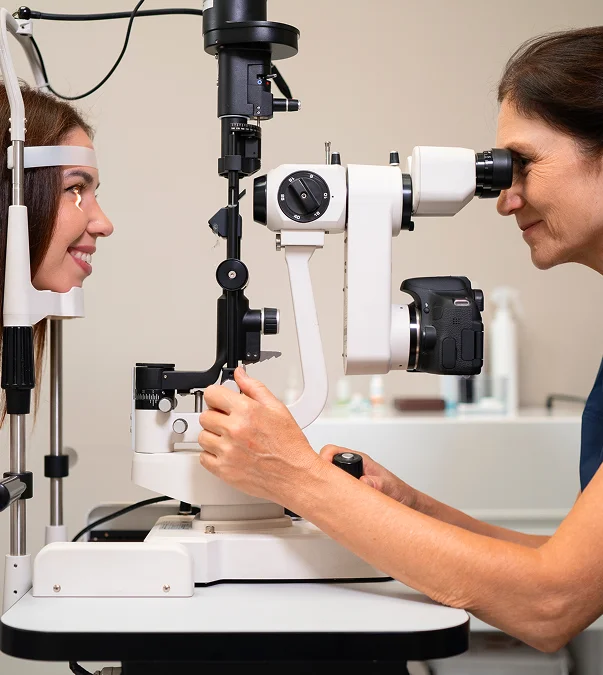
A single stye is a minor, short-lived problem. But some people have repeated styes, a lump that will not go away, or other eyelid changes, such as drooping lids or excess skin, and they want a specialist's opinion on the eyelids as a whole.
Prof. Dr. Ahmet Satıcı leads eyelid and oculoplastic surgery at Laser Istanbul Clinic, including blepharoplasty (eyelid lift) and ptosis (drooping eyelid) surgery, and can look at the eyelids in the context of your wider eye health. A stye itself is not treated with blepharoplasty; the steps above come first. If you are already considering eyelid surgery and also get recurrent lid problems, it is worth mentioning this at your consultation.
Frequently asked questions
A stye (hordeolum) is a small, painful, red lump on the edge or inside of the eyelid, caused by a bacterial infection of an eyelash follicle or an eyelid gland. It usually affects one eye, and it does not affect vision.
Bacteria, most commonly Staphylococcus aureus, infect an eyelash follicle or an eyelid gland. Blepharitis and rosacea raise the risk, and styes that keep returning can point to an underlying problem such as diabetes.
Most clear up in about a week. If a firm lump is left after the infection has settled, it may be a chalazion, which usually goes away by itself in around a month. See a doctor if a stye has not improved after several weeks.
There is no proven quick fix. The NHS advises holding a warm flannel on the closed eye for 5 to 10 minutes, 2 to 4 times a day, and not trying to burst it. Painkillers such as paracetamol or ibuprofen can ease the discomfort.
A stye is an acute, painful infection, usually with a yellow head. A chalazion is a blocked oil gland that forms a firm lump which is usually not painful. A chalazion often follows an internal stye.
No. Do not try to burst a stye. If it needs draining, a doctor can lance it with a sterilised needle.
Most styes settle without special treatment. A Cochrane review found no trial evidence for or against antibiotics, compresses or steroids in internal hordeolum. If you have severe pain, changes in your vision or infection that seems to be spreading, see a doctor urgently, who will decide on treatment.
The NHS advises avoiding both until the stye has healed.
They can. Recurrent styes may point to blepharitis, rosacea or diabetes, so it is worth having the cause looked at and keeping the eyelids clean.
Sources for the facts on this page
- NHS. Stye. https://www.nhs.uk/conditions/stye/ (opened 7 Oct 2026)
- Gurnani B, Guier CP, Patel BC. Hordeolum (Stye). StatPearls, NCBI Bookshelf, updated Dec 2024. PubMed: https://pubmed.ncbi.nlm.nih.gov/29083787/ · Bookshelf: https://www.ncbi.nlm.nih.gov/books/NBK441985/
- Lindsley K, Nichols JJ, Dickersin K. Non-surgical interventions for acute internal hordeolum. Cochrane Database of Systematic Reviews 2017. PubMed: https://pubmed.ncbi.nlm.nih.gov/28068454/
- MedlinePlus (US National Library of Medicine). Chalazion. https://medlineplus.gov/ency/article/001006.htm
Eyelid lumps or eyelid concerns you want a specialist to look at?
Send us a photo of your eyelids and any eye reports. Prof. Dr. Ahmet Satıcı, our eyelid and oculoplastic surgeon, will review them and tell you what he would suggest, with no obligation. For anything acute, such as a painful, spreading swelling, see a local doctor first.
3 eye surgeons
Your case is reviewed by a named surgeon, not a salesperson. Reply within {{response time}}.
 Prof. Dr. Ahmet Satıcı
 Doç. Dr. Muhammet Derda Özer
 Op. Dr. Aysan Bayram